LKNLake Norman Cars Get a quote

Back to Car Tips

Pre-Purchase Inspection in Charlotte: What It Checks, Red Flags and What It Can't Catch

What gets checked, the red flags, and how to use the report.

Discounts for repeat customers first responders police active military seniors

The short answer

A pre-purchase inspection is a check of a used car's condition by a technician who doesn't work for the seller, before you pay. It's done where the car sits: a driveway, a dealer lot or a car lot. You get the facts and the decision stays yours. See our inspections page for exactly what our inspection covers.
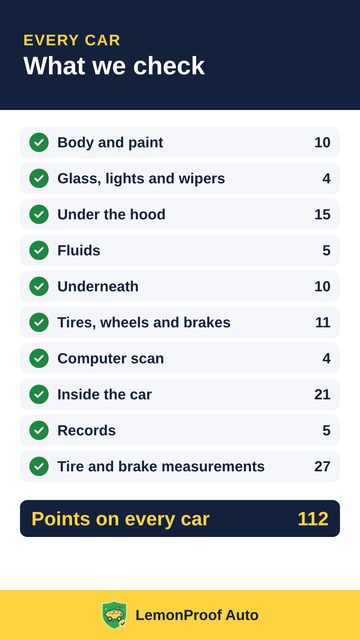
A still from our short video: the inspection checklist, 112 points on every car.Watch it in under a minuteOur short video on YouTube

What gets checked

Body and frame
What we look for: Paint that doesn't match, overspray, uneven panel gaps, tool marks on bolts and frame repairs that point to an accident.
Engine
What we look for: How it starts cold, smoke, leaks, belts, hoses and noises.
Transmission
What we look for: Fluid condition and how it shifts on the road test. Often the most expensive part to fix.
Brakes, tires and suspension
What we look for: Measured pad, rotor and tread wear, play in joints, leaking struts.
Computer scan
What we look for: Stored, pending and history codes in every module, and the readiness monitors.
Interior and electrical
What we look for: Switches, climate control, lights, warning lights, and signs of water inside.
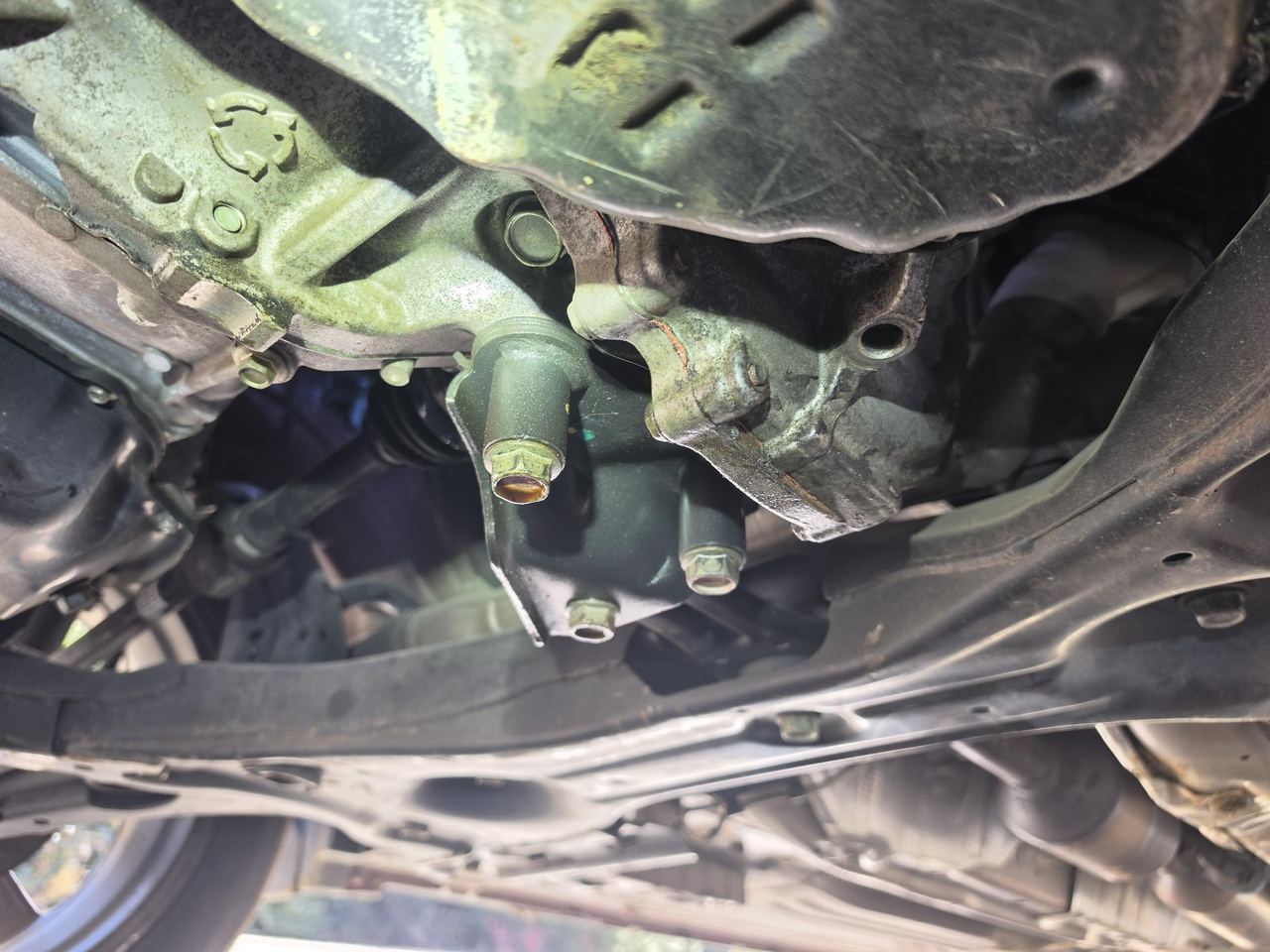
A view from under a car of the engine and transmission, with fluid on the bolts.
We crawl under the car, even a low one in a dirt lot, and jack it up when we need to.
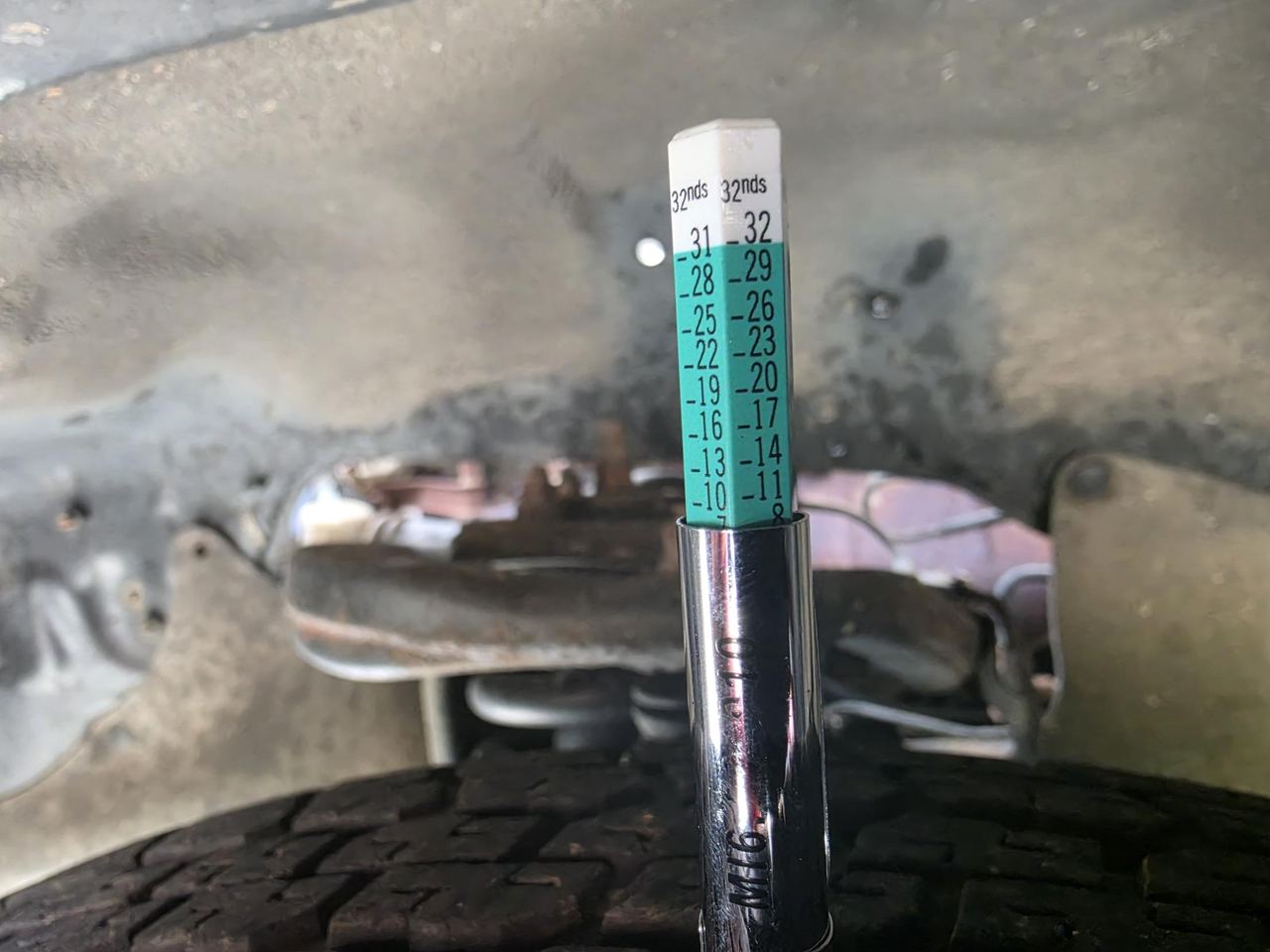
A tread depth gauge standing in the groove of a truck tire.
A gauge in the tread, read in 32nds of an inch. Tread depth is measured and written down on every tire.

Red flags

  • Frame repairs, fresh undercoating on the frame, or panels that don't line up.
  • Dark or burnt transmission fluid, slipping, flaring or harsh shifts.
  • Milky oil, rusty coolant or fresh leaks.
  • No codes, but readiness monitors not complete. That means one of two things: a battery problem, or codes were recently cleared. Some sellers are intentionally the storm that washes away the footprints in the mud.
  • A car that's been over-cleaned. A freshly degreased engine or a spotless underside can be hiding a leak.
  • Flood signs: rusty seat tracks, rust under the dash, foggy light lenses, a musty smell or heavy air freshener, silt under the carpet, damp seats.
  • Aftermarket wiring and add-ons that may hide electrical problems.
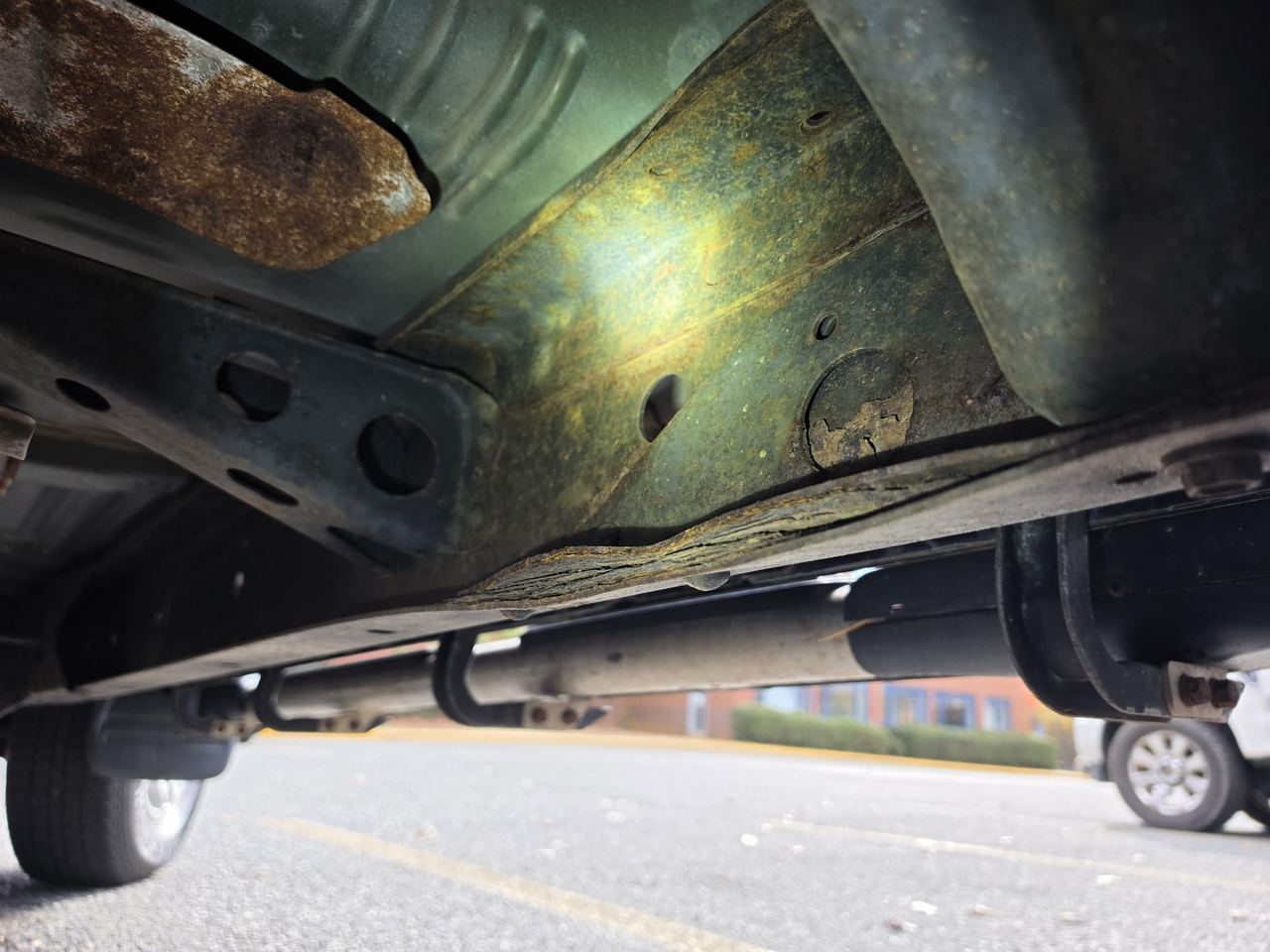
The underside of a truck with rust flaking off the frame in layers.
Frame rust flaking off in layers: the photos you want to see before driving two hours or more.
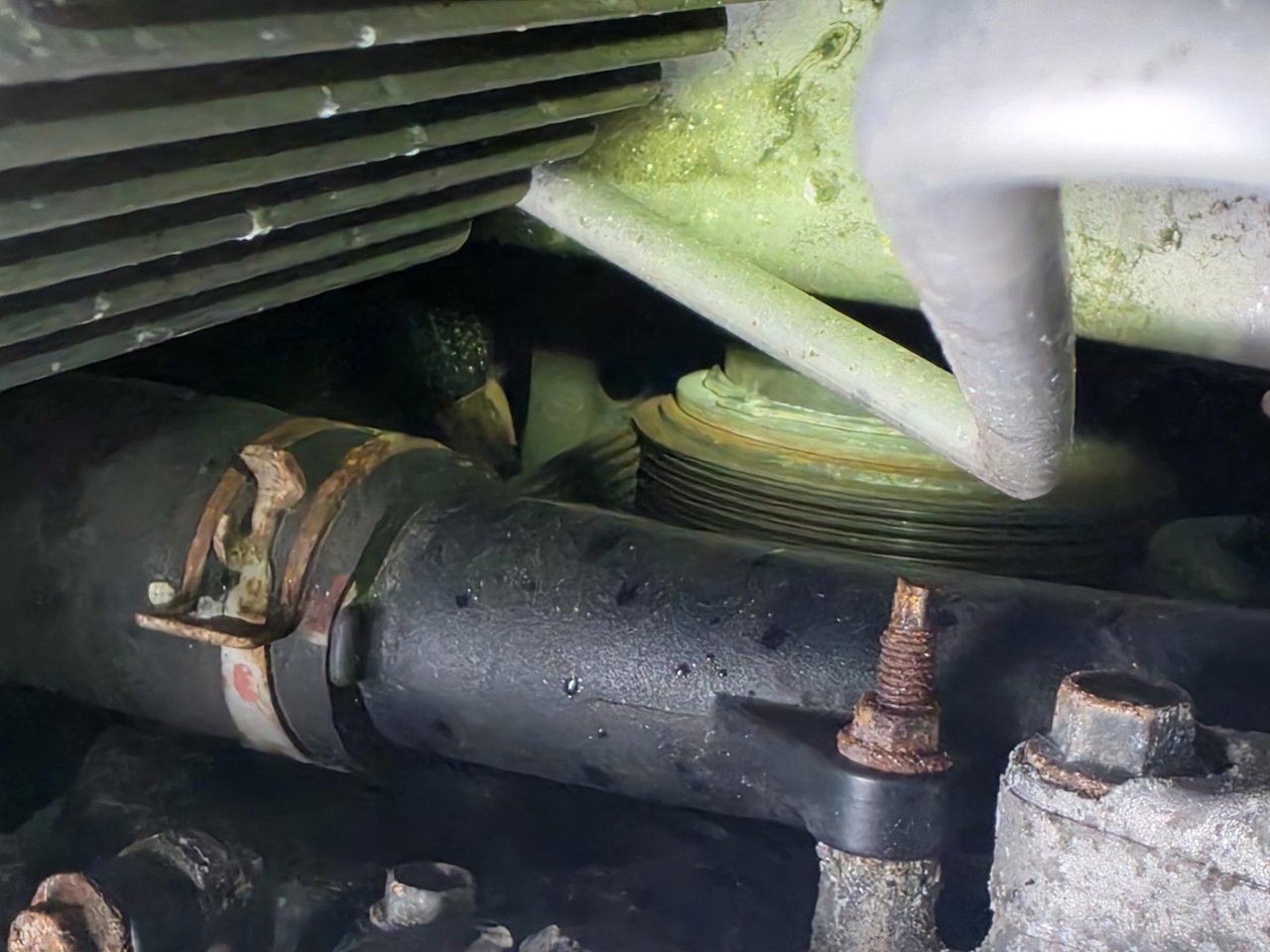
Rusted bolts, studs and a clamp beside a pulley and a pipe in an engine bay.
Rusty hardware makes that job a gamble. The book says 1 hour. A bolt might break and make it 2 or more. You need to know that before you buy. Don't let a seller scoff it off as normal, basic and not an issue.
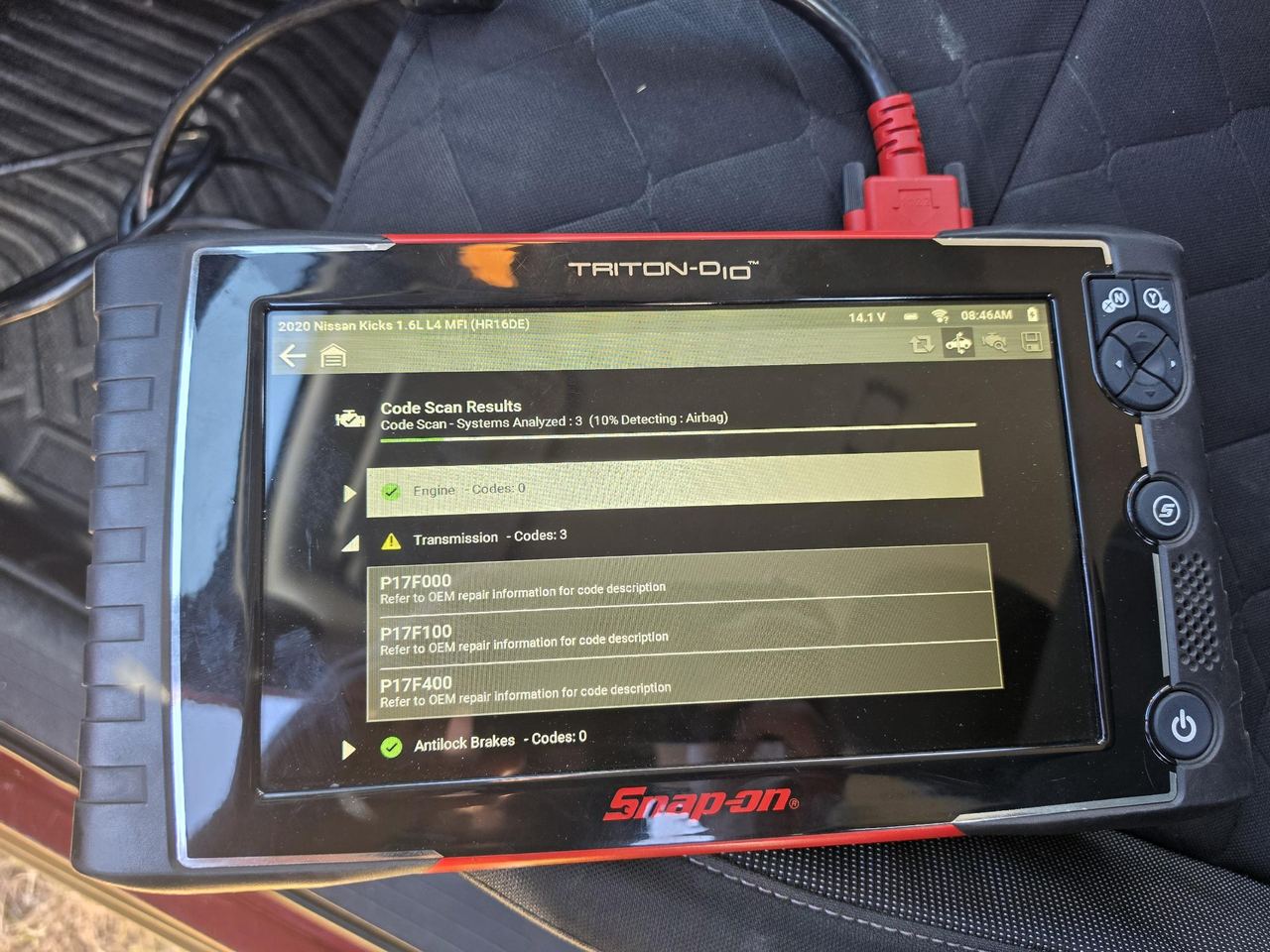
A scan tool screen listing three transmission trouble codes, with engine and brakes clear.
Three transmission codes stored on a full scan. We catch junkyard transmissions that are still leaking.
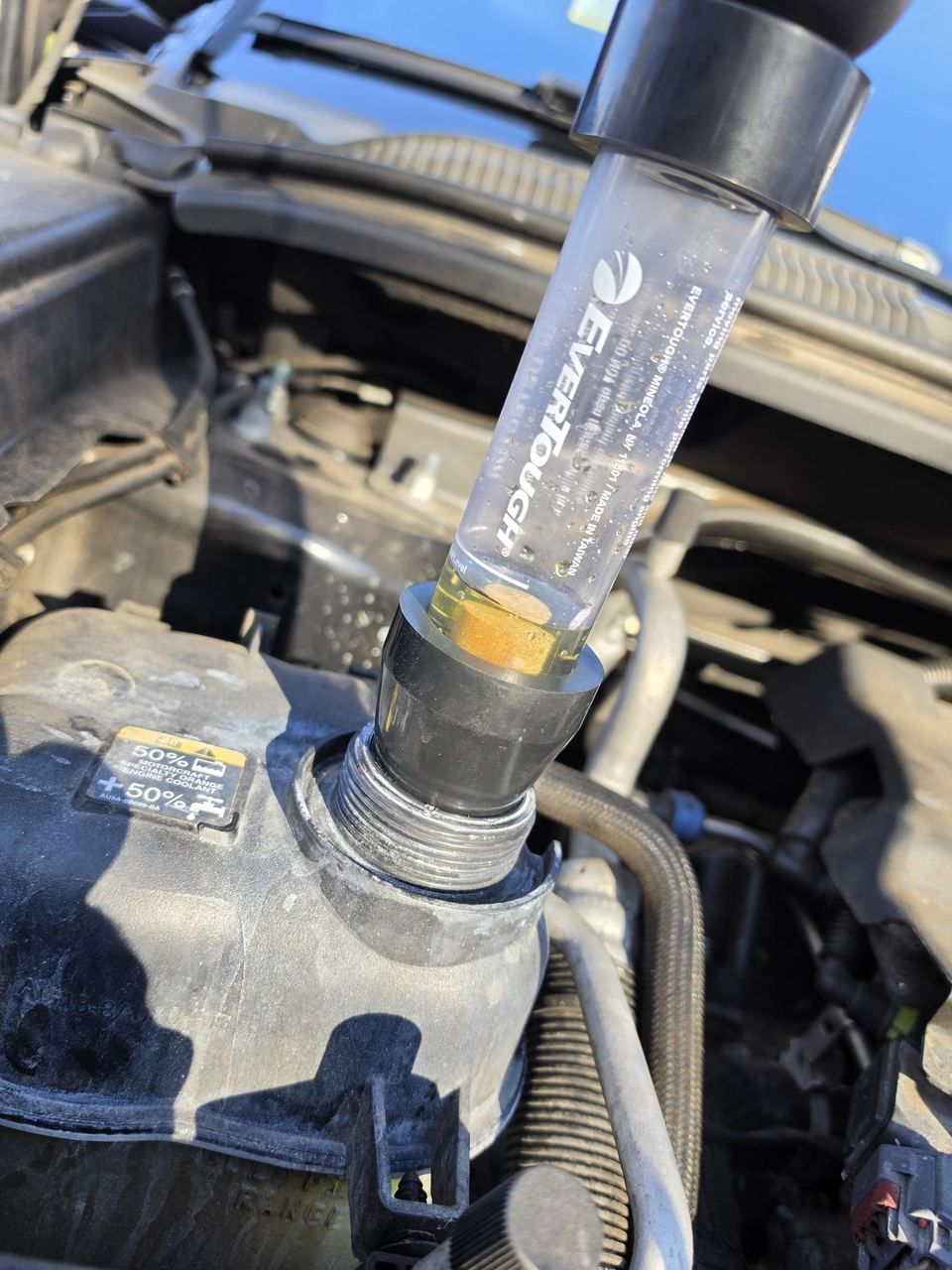
A head gasket test tube on a coolant tank with yellow test fluid.
The cylinder head test. When a cold car builds pressure in the cooling system right after it starts, that is not normal: pressure comes from heat, and 78-degree coolant is not hot. Look at the white corrosion around the bottle. This engine has overheated, the coolant boiled, and the pressure pushed past the cap. It did not happen in front of us, but we know what it looks like, and it usually cannot be hidden. This tester confirms what we already suspected, and we are 100% certain you do not want to pay full price for a car that needs an engine or an overhaul.
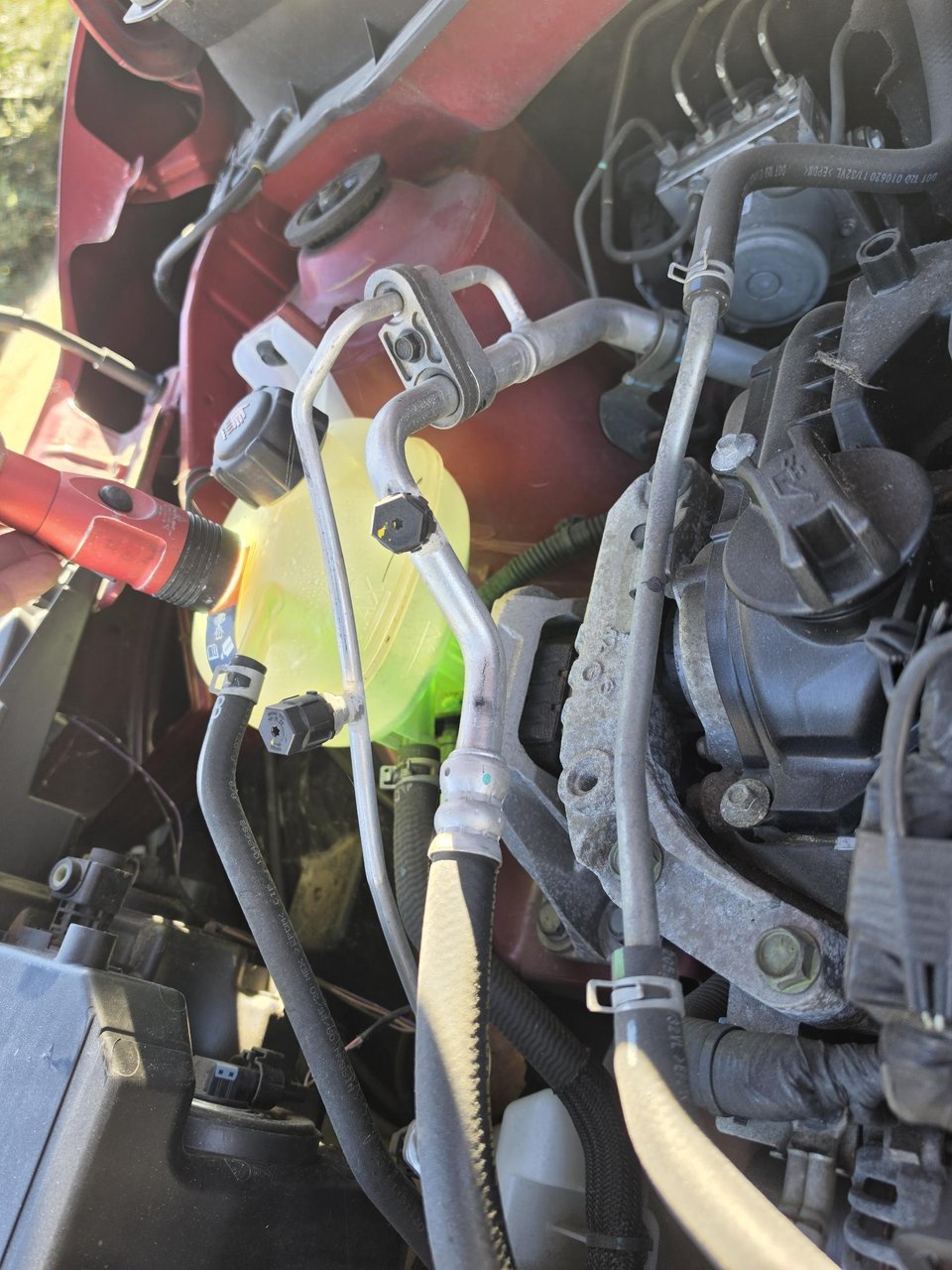
A UV flashlight making a coolant reservoir glow green in an engine bay.
When we show up to a car lot, we expect the fluids and the condition to be superb. When we find discrepancies, it alerts us, and we tell you. A lot of these minor things are indicators of the car's life and how it was treated. This is not the coolant that is supposed to be in it. This car had improper servicing. We also found junkyard parts, four different tire brands, no jack tools, and, to no surprise, other leaks.

We look for the sneaky tricks

Codes cleared right before a sale, an engine washed to hide a leak, a battery disconnected to reset the computer. We look for all of those tricks and the symptoms they leave behind, and we tell you what we see: this has been cleaned, this has been wiped, this battery has been disconnected recently.

We can't always tell you the history. We can tell you something happened. Negligence, incompetence and malice often look the same from the outside, so the report sticks to what the car shows.
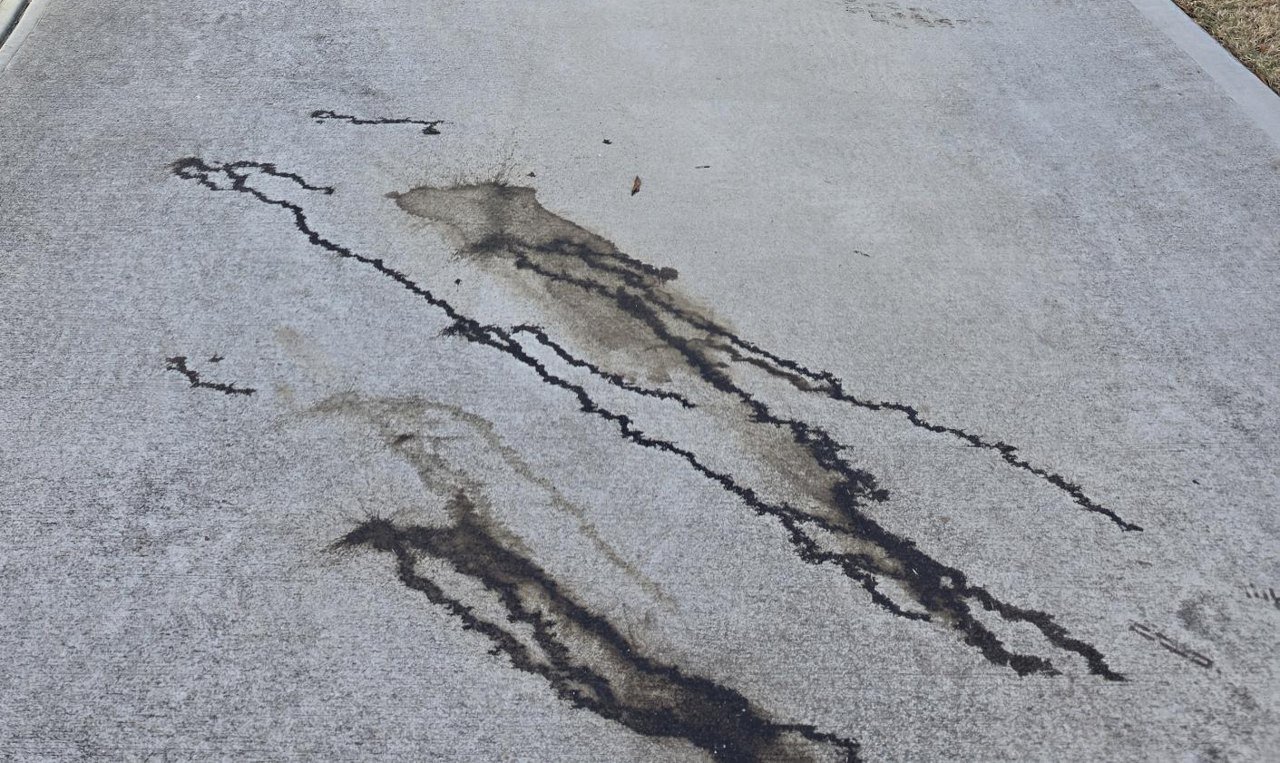
Dark oil stains and drips on a concrete driveway where a car was parked.
The car might be super clean when you arrive. When we see this on the driveway, we know right away to turn skeptical and investigate thoroughly.
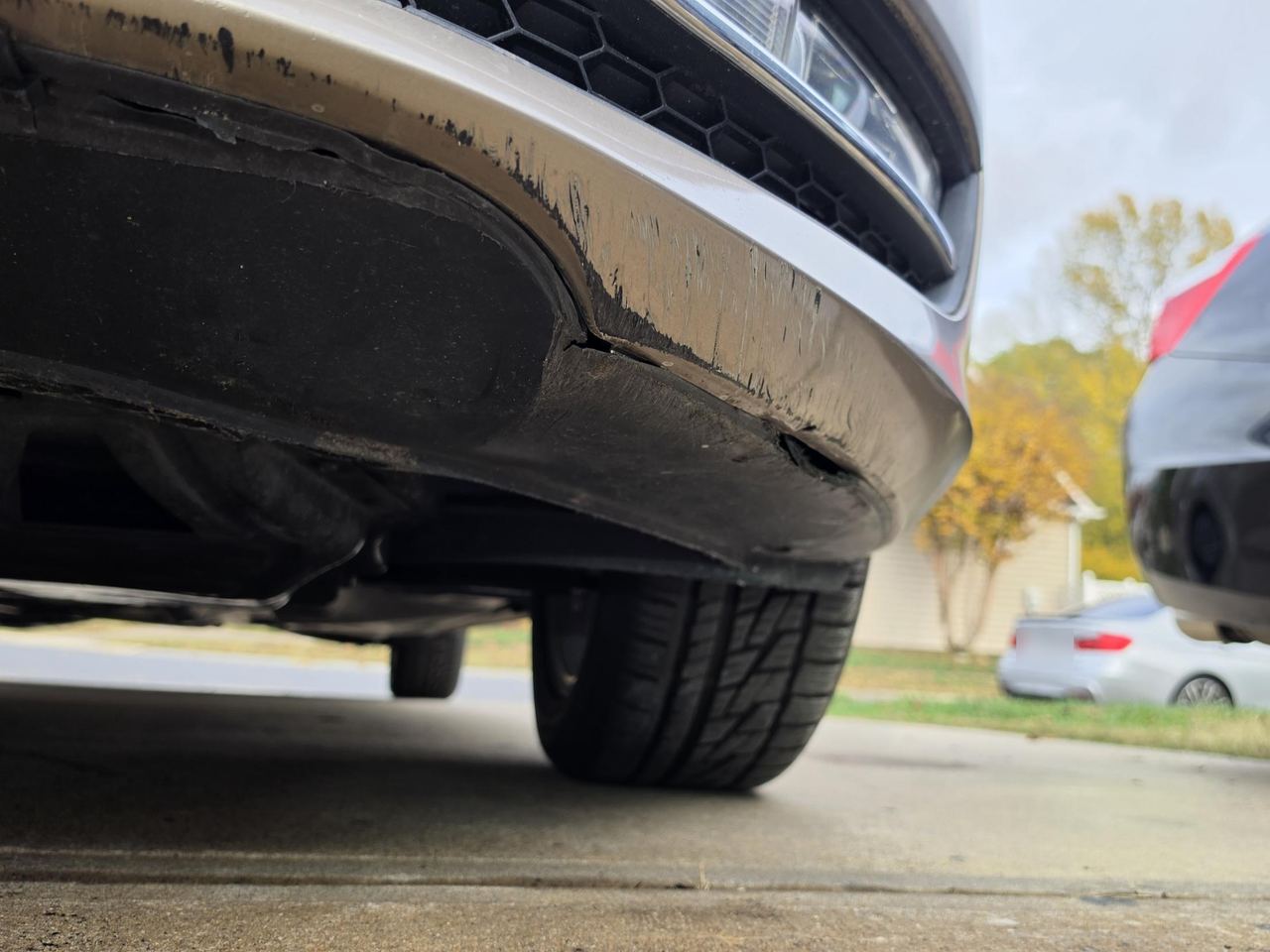
The underside of a front bumper, scraped and split along the lower edge.
The scrapes the seller's photos didn't show. We get those angles.
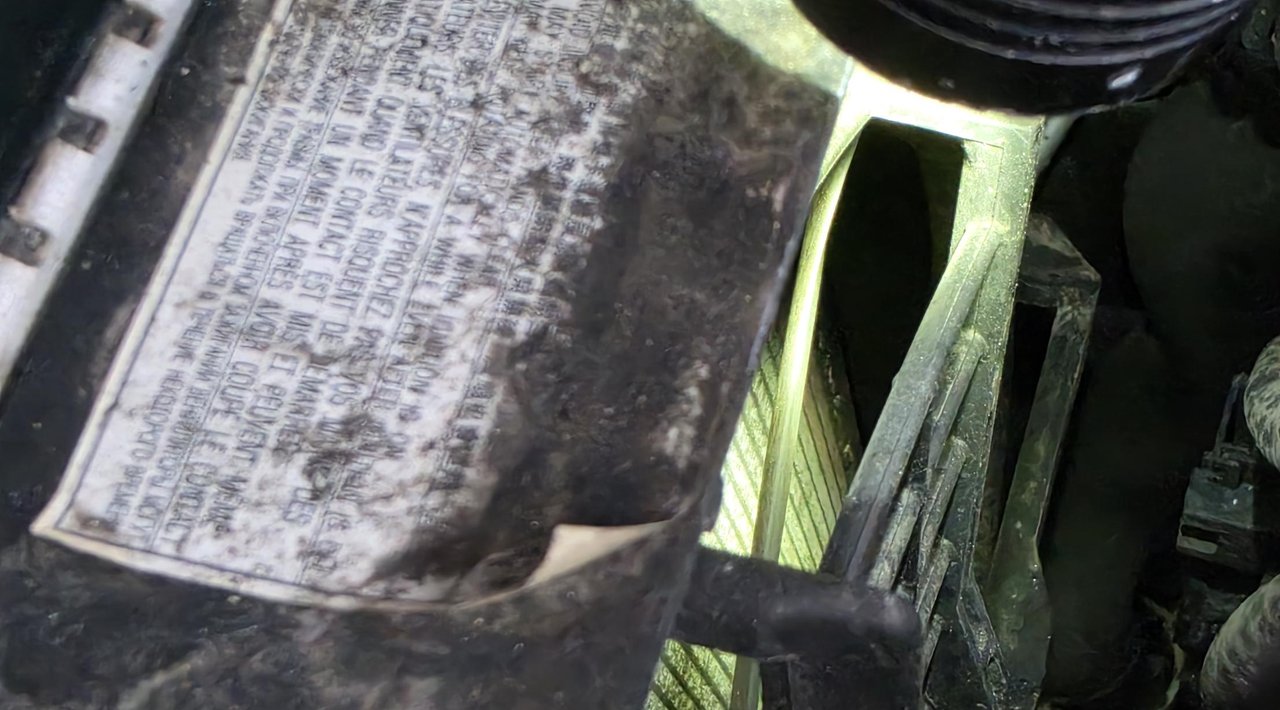
A grimy, peeling warning sticker on the front of a car beside a dirty fan shroud.
Dirty stickers and scuffs show nobody was there over the years cleaning and caring for it. We notice those investigative details while we look for a leak: little tells that paint a picture of the car's history that Carfax won't tell you.
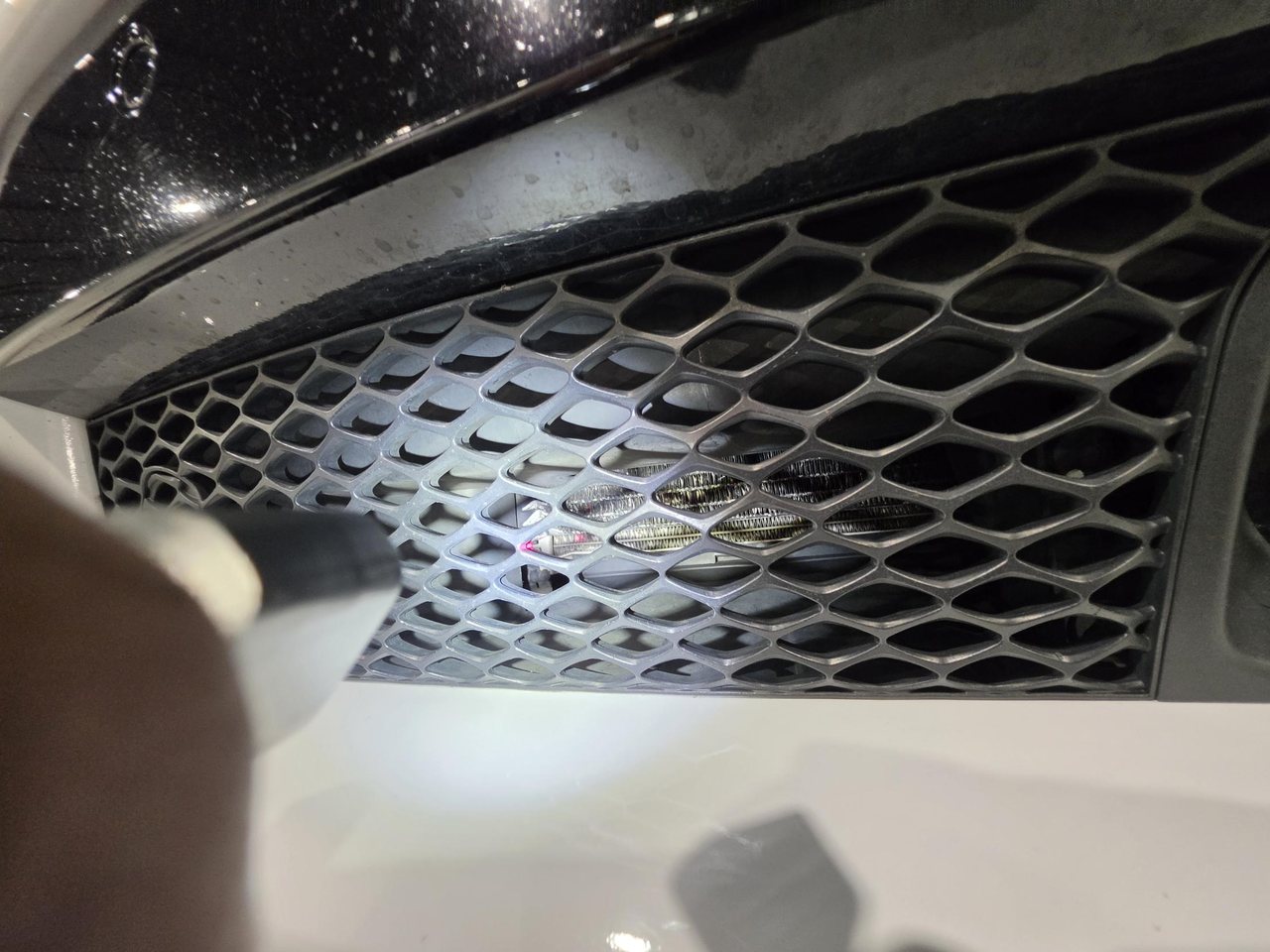
Looking through a front grille with a light at a damaged air conditioning condenser.
Damage on a condenser, seen through the grille. When a bumper has been off and painted, what sits behind it often does not get fixed. We look for evidence a car has been repaired, or worse, covered up.
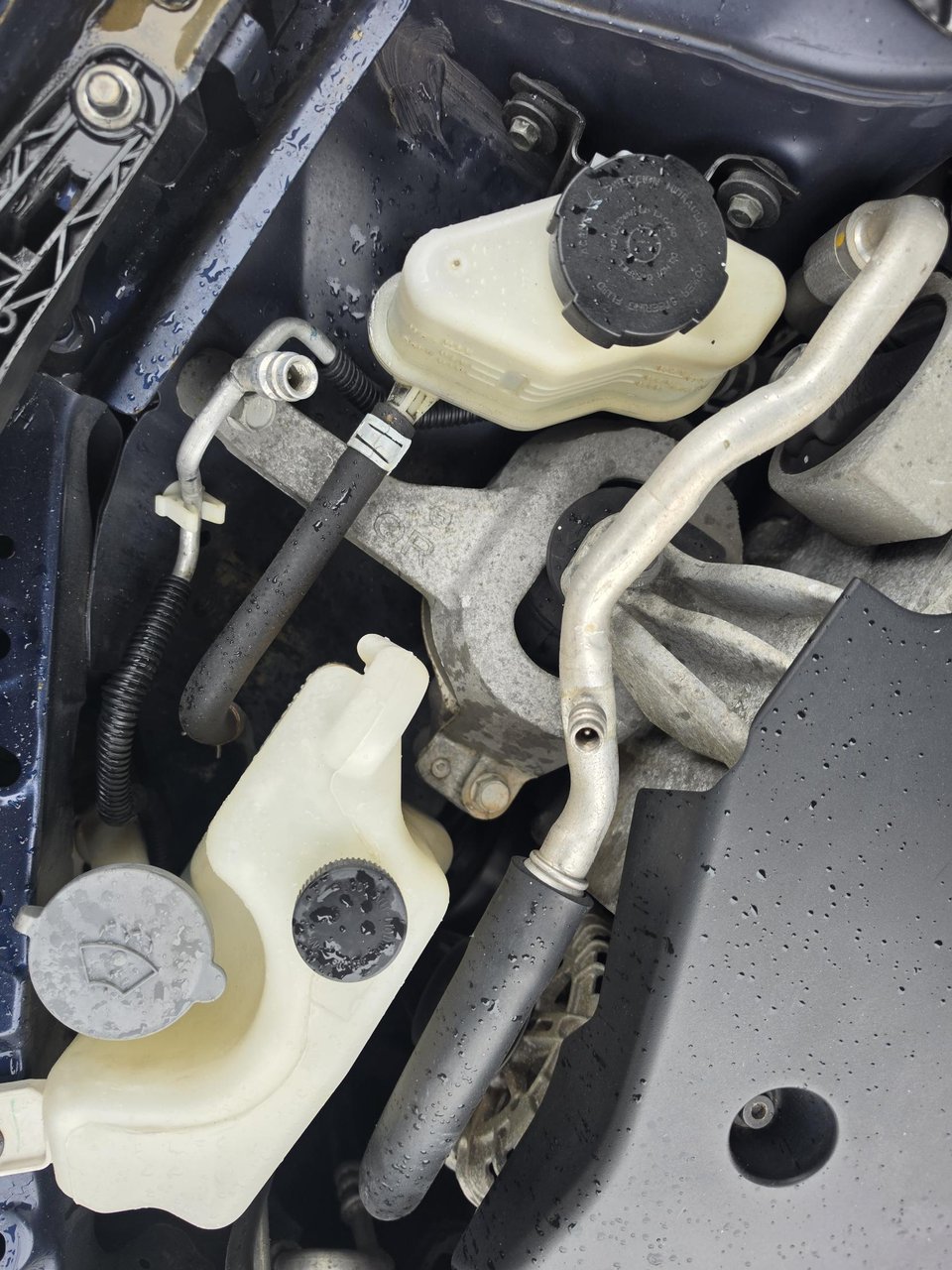
Two AC service ports in an engine bay with their caps missing, beside the power steering and washer reservoirs.
Notice the AC caps are missing. Small, but expensive. Missing caps tell us someone has been in here, so we look at the AC much closer: does it work, and does it work all the time? It also tells us the shop that worked on it might forget this, or other things too. These caps and valves are what keep the refrigerant in the car, and on new cars that gas is as expensive as gold. Sometimes the gas costs far more than the repair or the part. It is also a danger to our environment. Anyone who works on AC needs EPA Section 609 certification, which we have.

Parts you can't get

We find out if parts are discontinued. That could be a hidden reason the seller wants out of the car.
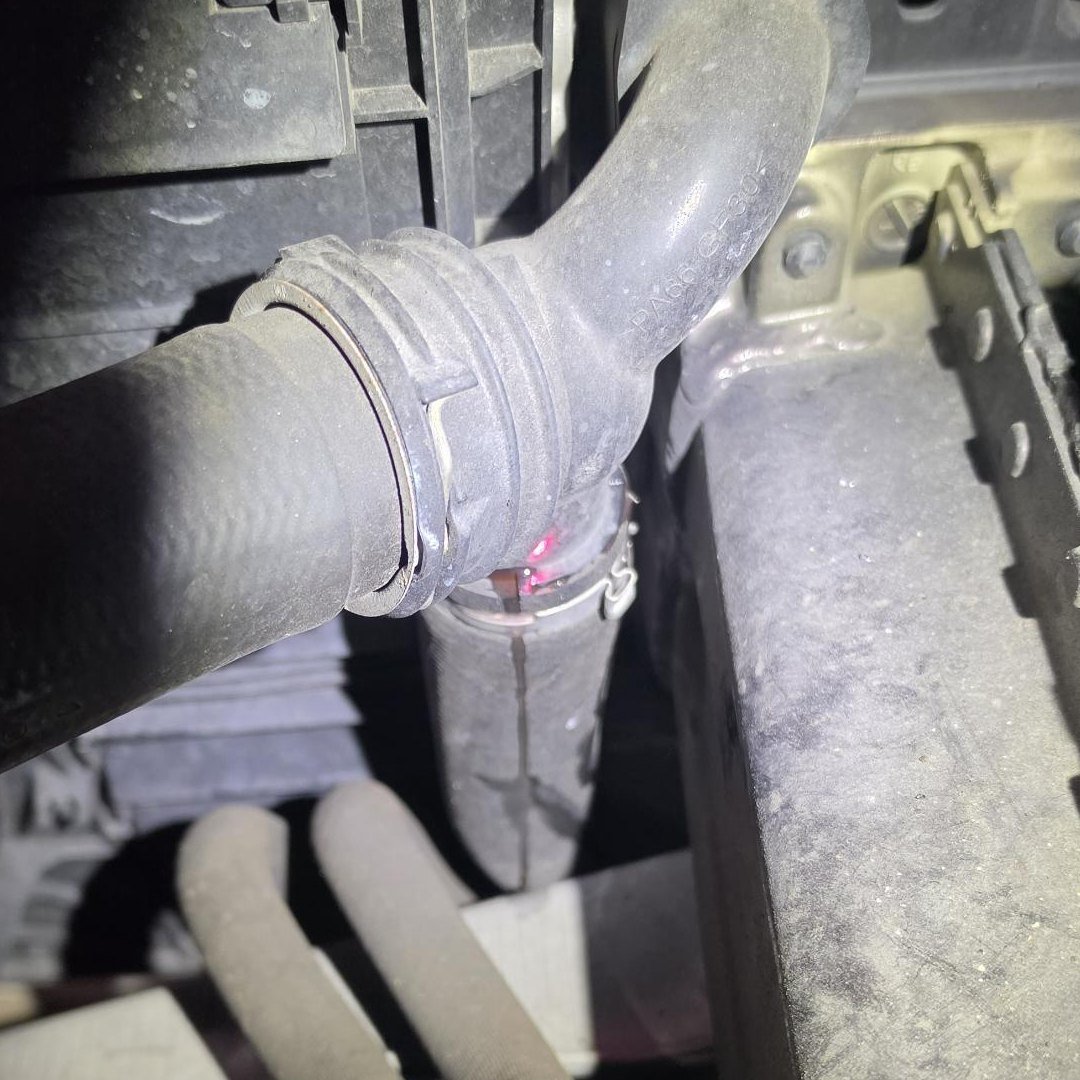
A coolant hose quick connect with a leak at the joint, marked by a red laser dot.
A coolant leak at a quick connect, where dealer-only parts exist. Sometimes you cannot get the part from the dealer or a parts store, and you need online or, worse, junkyard sources to fix it. We find out if parts are discontinued. That could be a hidden reason the seller wants out of the car.

In a different case, a 7-year-old car had a module go bad, and you can't get a new one. What happens then? You can't fix your car, and you lose equity. It's a trap.

Flood cars in the Carolinas

Flood-damaged cars are often cleaned up and sold far from where they flooded. After a storm like Hurricane Helene in 2024, flood cars can turn up on lots and private listings across the region. Water inside the car corrodes wiring and computers for months, so a car that seems fine today can have problems soon. An inspection is your best protection.

What no inspection can catch

An inspection reports the car's condition on the day we see it. It can't see inside the engine or transmission without taking them apart, predict exactly when a part will fail, or catch a problem that only happens at times we're not there. It isn't a warranty, and it isn't the North Carolina state inspection.

Run a vehicle history report too. NICB's VINCheck is free for theft and total-loss records, and NHTSA's site shows open recalls by VIN.

How to use the report

  • Walk away if the problems are serious.
  • Negotiate using documented repair needs.
  • Buy with your eyes open, knowing what maintenance is coming due.

Dealer or private seller?

Private sellers usually agree to an inspection. Many dealers allow one too. A dealer's own multi-point inspection isn't a substitute for one you arrange yourself. A seller who refuses an independent inspection is telling you something.

Get a quote for a pre-purchase inspection

Updated November 28, 2026.

Questions

Do I need to be there?

No. We meet the car where it is. Tell us who has the car and how to reach them.

Does it replace the state inspection?

No. The North Carolina safety and emissions inspection is done at a licensed inspection station.

Buy And Drive With Confidence.

Send a request and a person writes back with a quote and open times. Or call or text.

Get a quote

Questions? Call or text 980-250-5063

Get a quote Ask us a question