The short answer
A diagnosis finds the cause of a problem and proves it before any parts are bought. A code read only tells you which of the car's self-tests failed. The difference is the difference between replacing the right part once and replacing parts until the problem goes away.
A code is a symptom, not a diagnosis
A free code read at a parts store gives you a code. The same code can have several causes. A catalytic converter efficiency code, for example, can come from a worn converter, a lazy oxygen sensor, an exhaust leak ahead of the sensor, or an engine misfire that's been overheating the converter. Only testing tells them apart.
What a real diagnosis includes
- Listen to you. When it happens, how long it's been going on, and what's been done already.
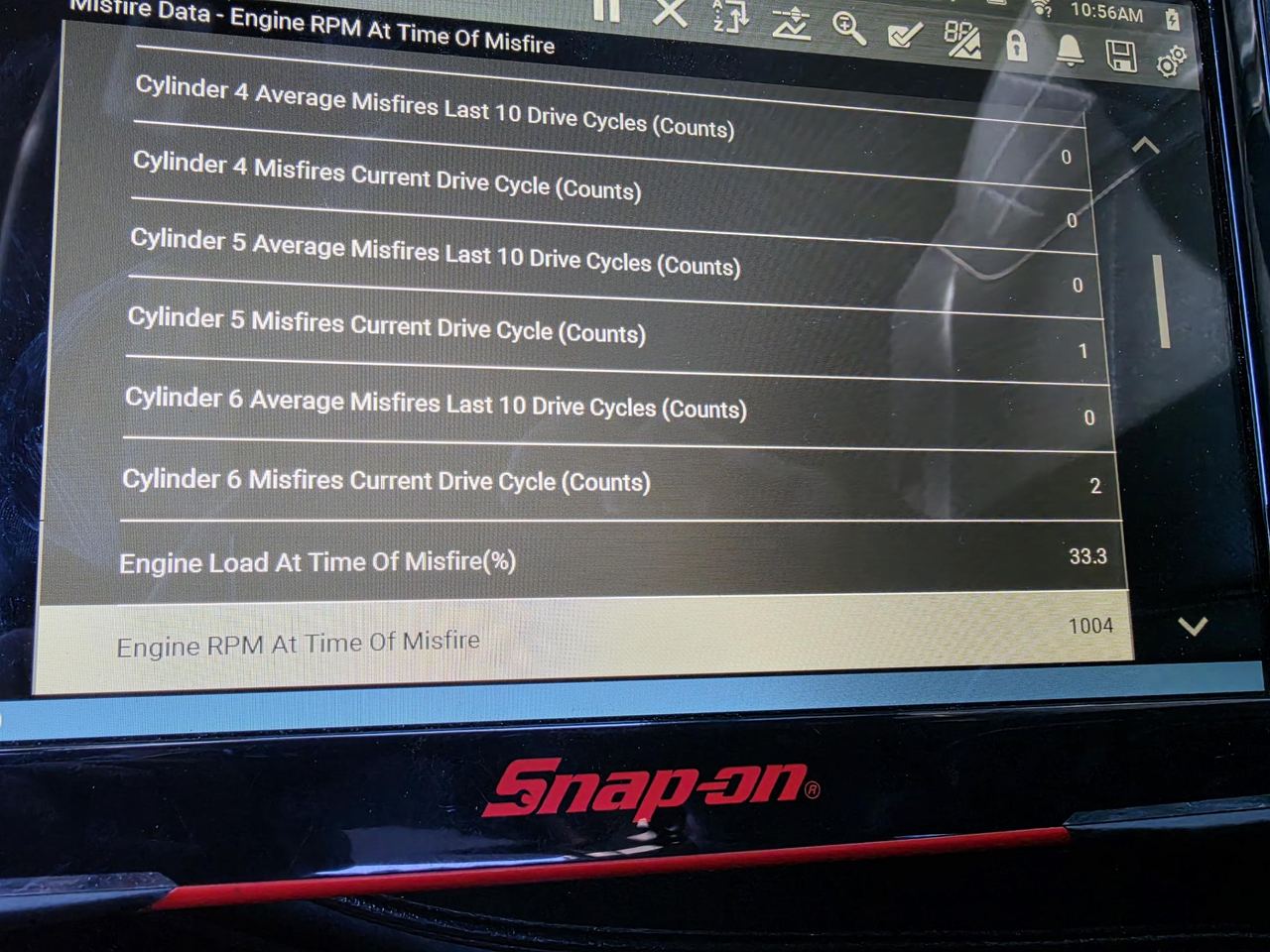
- Scan every module, not just the engine, including history codes, pending codes and symptom data most code readers don't show.
- Read live data while the problem is happening: sensors, fuel trims, temperatures, voltages.
- Test the suspect parts and wiring with the right tools: meters, smoke machines, pressure gauges, a stethoscope, a test drive.
- Prove the cause, then give you a written estimate that names what failed and what it costs to fix.
What drives the cost of a diagnosis
- Time. Most diagnoses are billed by the time it takes to find the cause, not by the code.
- The kind of problem. A steady fault is faster to find than one that comes and goes.
- How many systems are involved. One warning light is usually quicker than a network problem setting codes in a dozen modules.
- Access. Some tests need parts removed to reach a sensor or connector.
Our current rates are on our Rates page. See how our estimates work for why repair prices need your exact car.
Before you call
- Write down what you notice: sounds, smells, lights, and when it happens.
- Photograph the dash if warning lights or messages are on.
- Note recent work and anything added to the car.
- Don't keep clearing codes. History codes, pending codes and symptom bytes are footprints in the mud. Don't be the rain that washes them away.
Getting it fixed
- Find the cause first. The right part gets replaced, not a guess.
- Written estimate first. You see what failed before any work starts.
- Your choice of part. Options are ranked by quality and warranty term, from the best aftermarket and OEM parts.
- Where: where the car is parked, in Lake Norman, Mooresville, Denver, Lincolnton and Statesville. Like every repair we list, not every car can be done in a driveway. If we quoted your repair and can't reach the part when we arrive, you don't pay for the repair.
Updated November 26, 2026.