The short answer
A modern car has dozens of computers, called modules: engine, transmission, ABS, airbags, body, radio, cameras and more. They talk to each other over a shared network, most often called the CAN bus. When one module stops talking, the others notice, set their own codes, and sometimes shut features down to protect themselves.
That's why one failed part can show up as a dozen codes, warning lights all over the dash, or a car that won't start, with no code that says why.
What the code letters mean
- P codes (powertrain)
- What it covers: Engine and transmission. These turn on the check engine light.
- B codes (body)
- What it covers: Airbags, seats, lighting, locks, climate and other body systems.
- C codes (chassis)
- What it covers: ABS, stability control, steering and suspension.
- U codes (network)
- What it covers: Communication. Usually "lost communication with" a named module, or bad data received from it.
U and B codes can trigger P codes. When the engine computer stops getting a signal it needs from another module, it sets its own code, even though nothing is wrong with the engine.
The cascade effect
Modules share information. The ABS module, for example, reports wheel speed, and the engine, transmission, stability control and dash all use it. When that module goes down, every module that needed its data sets a code.
From our work: one ABS module failure set 16 codes across the car and kept it from starting. The fix was one module, not sixteen repairs.
How far the damage spreads depends on how the network is designed. On some cars, one module out means the rest just can't reach it. On others, a shorted module or wire takes down the whole network, and modules report faults and shut down.
Think of Christmas lights. On an old string, one dead bulb could take the whole string out. You don't test every bulb up to the bad one. You find the one that's out. A car's network can work the same way: one module drops off, and the rest stop talking or report faults. We find the module that's out instead of chasing every code it caused.
No code doesn't mean no problem
Some faults never set a code that points at them. From our work: on 2020 and newer GM vehicles, unplugging the camera module at the top of the windshield can lock you out so the car won't start, and there's no code that says "I won't start because of this."
Finding that takes a real network communication check: confirming which modules answer and which don't, not just reading codes.
Common causes
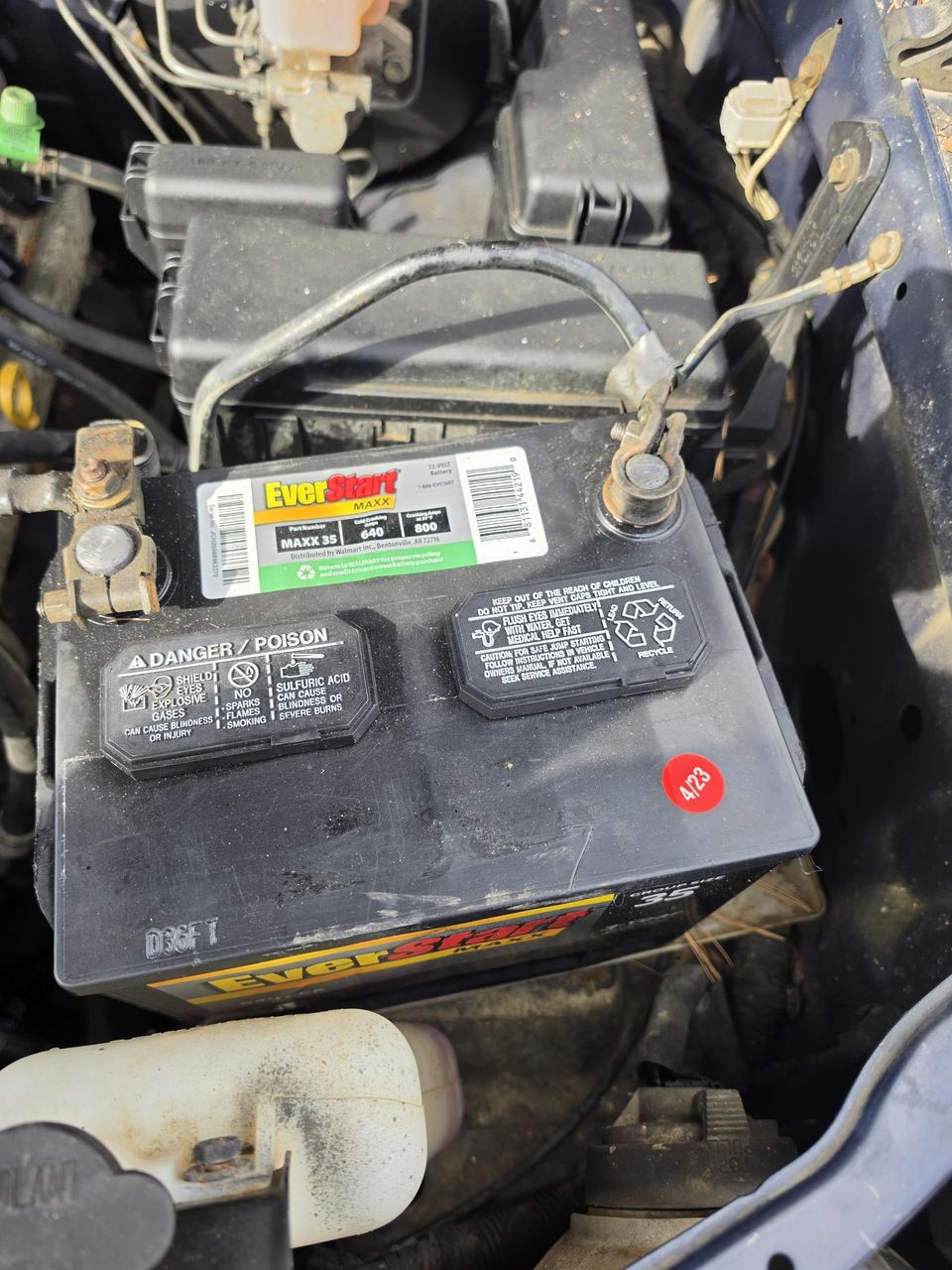
- Low or unstable battery voltage. Modules drop off the network when voltage sags. Always check the battery and charging first.
- Water. Leaks from sunroof drains, windows and seals corrode connectors and modules inside the car.
- Rodent damage to wiring and connectors.
- Aftermarket installs such as remote starts, alarms and stereos, especially ones tapped into network wires.
- Bad grounds and loose or corroded connectors.
- A failed module, or one that needs new software or programming after a repair.
How we find it
- Check battery voltage and grounds first. Many gremlins end here.
- Scan every module, not just the engine. A full network scan shows which modules answer and which don't, and every stored code.
- Sort cause from effect. The U codes point to the module the others can't hear from. That's usually where to start.
- Test the network itself. CAN wiring has resistors at each end, and its resistance and voltages tell us whether a wire is shorted, open or loaded down by a bad module.
- Isolate the culprit. Unplug modules one at a time, or check the network at its connectors, until it comes back to life.
- Fix it, program it if needed, and clear codes last, then confirm every module talks again.
Intermittent problems, the ones that come and go, can take more than one visit to catch. We'll tell you up front.
Things you can do at home
- Check the battery. A weak battery causes more electrical gremlins than anything else. See our battery page for the multimeter numbers.
- Write down what you see. Which lights and messages came on, and what you were doing. Take a photo of the dash.
- Think about what changed. Recent work, a new accessory, a car wash, heavy rain, or a car that sat a while.
- Check for water on the floors and under the mats.
- Don't keep clearing codes or disconnecting the battery. Cars store history codes, pending codes and symptom bytes that most code readers never show. Our scan tools do. They're footprints in the mud. Don't be the rain that washes them away.
Getting it fixed
- Find the cause first. The right part gets replaced, not a guess.
- Written estimate first. You see which module or wire failed before any work starts.
- Your choice of part. Options are ranked by quality and warranty term, from the best aftermarket and OEM parts.
- Where: where the car is parked, in Lake Norman, Mooresville, Denver, Lincolnton and Statesville. Like every repair we list, not every car can be done in a driveway. If we quoted your repair and can't reach the part when we arrive, you don't pay for the repair.
Get a quote for an electrical diagnosis
Updated November 28, 2026.