The short answer
Fluids and filters are the cheapest insurance your car has. Your owner's manual lists each one, the exact type and the schedule, often with a severe-service schedule for short trips, heat, towing and stop-and-go driving, which describes a lot of Charlotte driving.
What each one does
- Engine oil and filter
- Why it matters: Lubricates and cools the engine. Use the viscosity and the specification in your manual. Many cars have an oil life monitor.
- Coolant
- Why it matters: Keeps the engine from overheating or freezing and protects against corrosion. Types don't mix.
- Brake fluid
- Why it matters: Absorbs water over time, which lowers its boiling point and corrodes brake parts.
- Transmission fluid
- Why it matters: Cools, lubricates and controls shifting. Many modern transmissions need a specific fluid and a temperature-based fill procedure.
- Power steering fluid
- Why it matters: On cars with hydraulic steering. Many newer cars use electric steering with no fluid.
- Differential and transfer case fluid
- Why it matters: Protects the gears on rear-wheel, four-wheel and all-wheel drive vehicles. Often overlooked.
- Engine air filter
- Why it matters: Keeps dirt out of the engine.
- Cabin air filter
- Why it matters: Cleans the air you breathe. A clogged one weakens the AC and heat and can smell musty.
Why the right type matters
The wrong oil can set codes or harm engines that require a specific specification. The wrong coolant can turn to sludge. The wrong transmission fluid can cause harsh shifting or damage. We match fluids to your owner's manual and the manufacturer's specification, not a one-size-fits-all bottle.
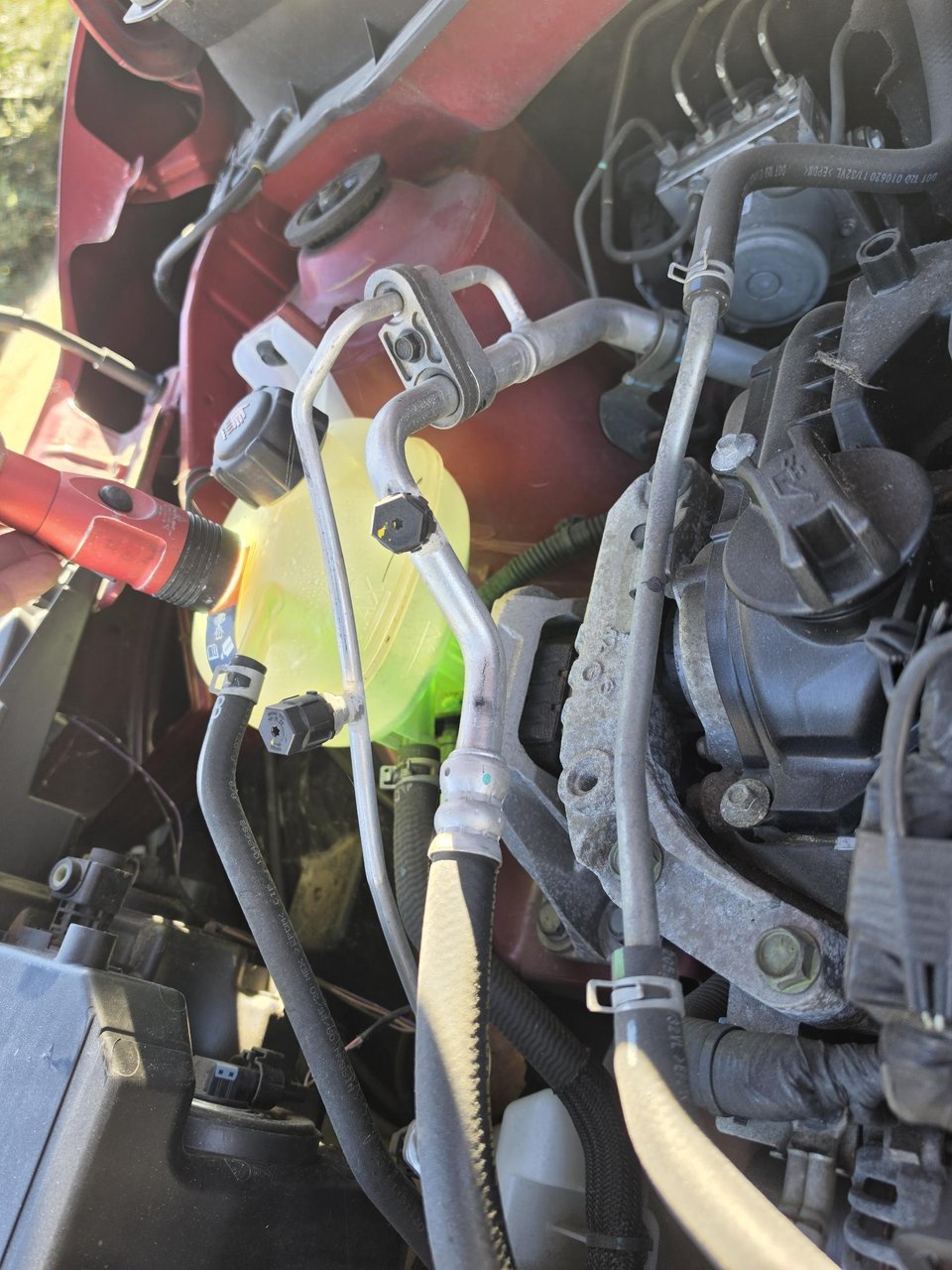
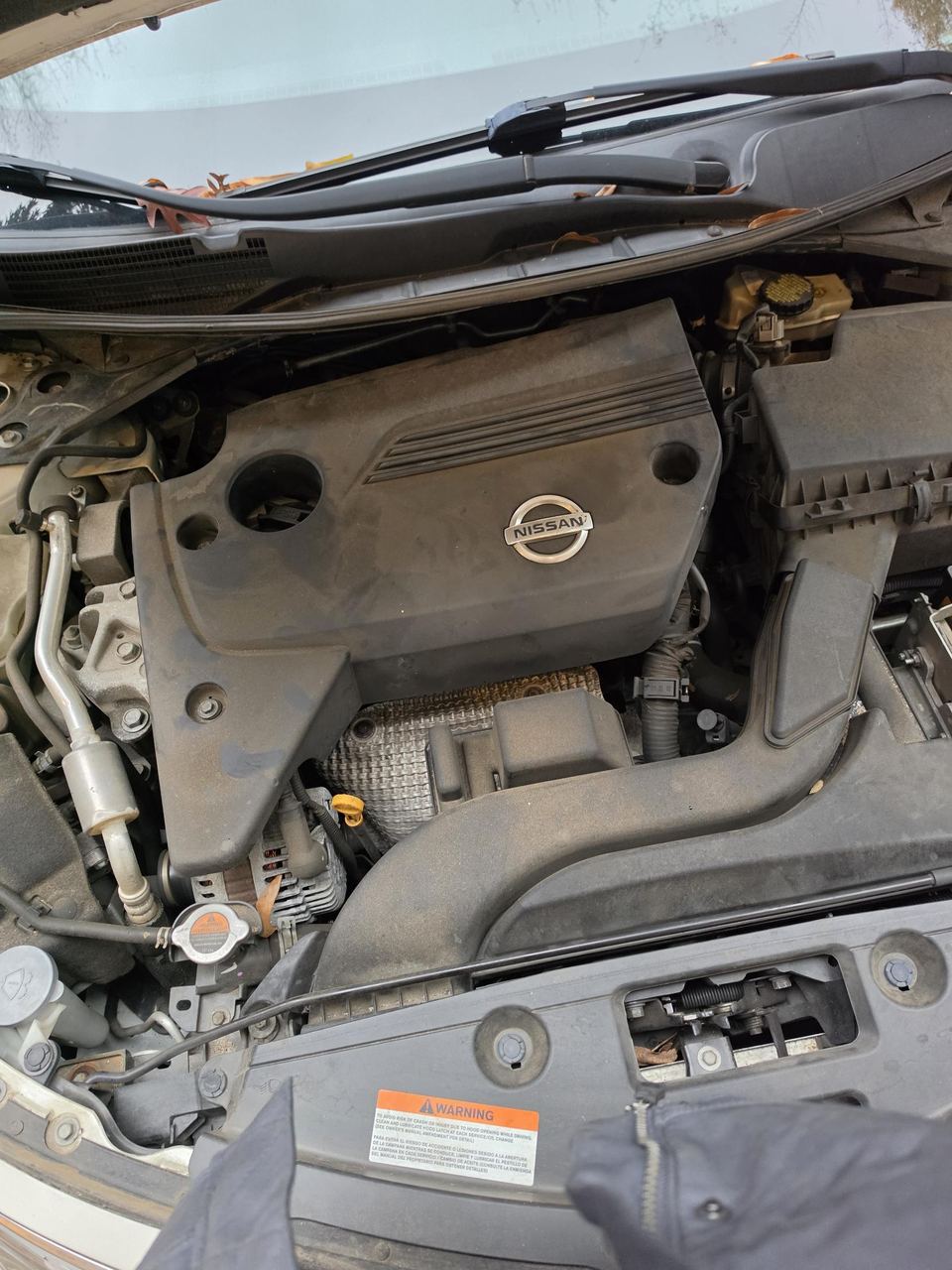
Things you can check at home
- Engine oil level on the dipstick, engine off and on level ground, or in the dash menu on cars without one.
- Coolant level in the reservoir, engine cold only.
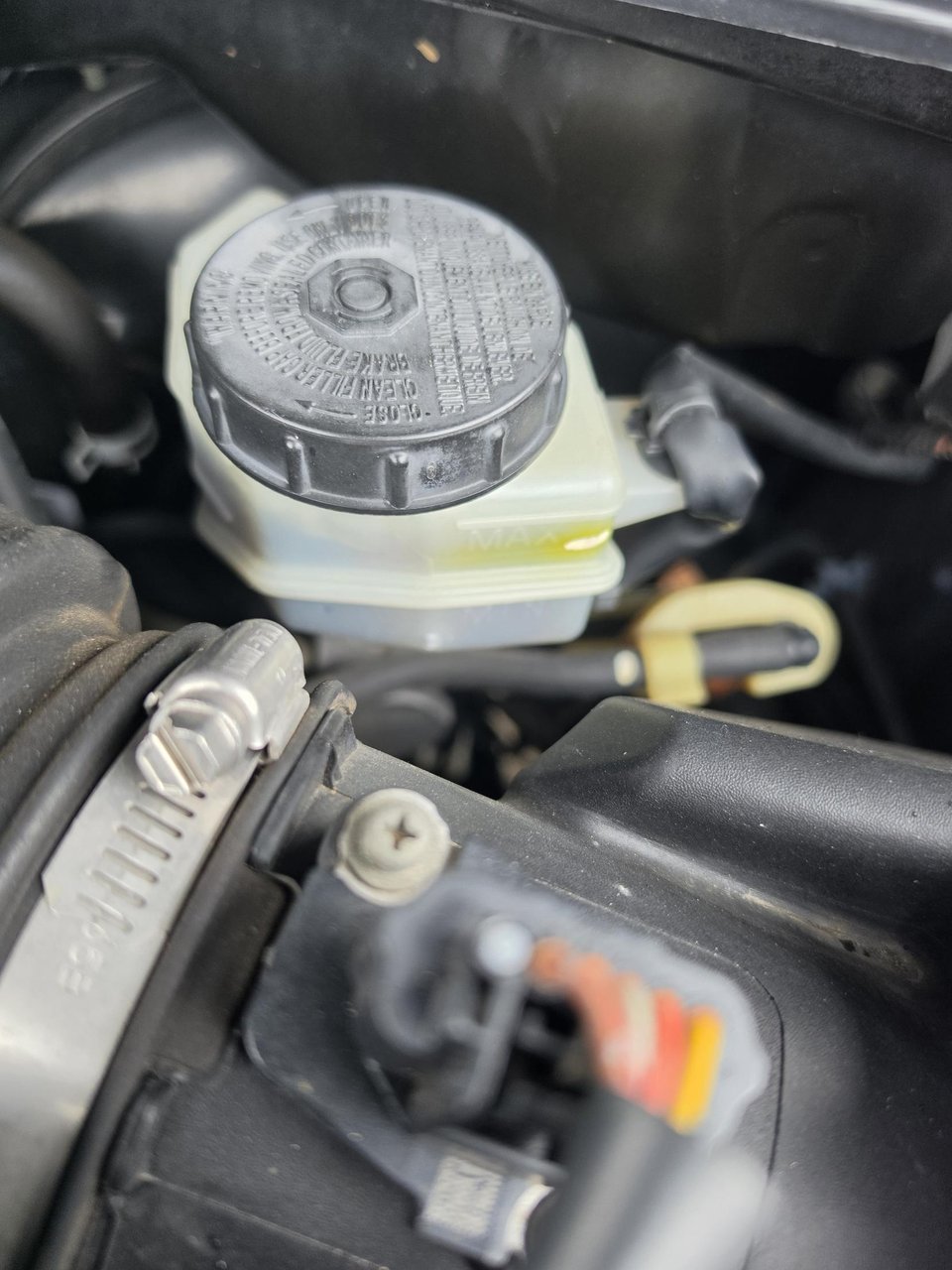
- Brake fluid level in the reservoir. Low fluid means worn pads or a leak.
- Washer fluid, topped up.
- The maintenance reminder. When it comes on, it's telling you something's due. See our resets page for clearing it after service.
Where we fit in
We don't do oil changes as a stand-alone service. Routine oil changes are best done at a shop or quick-lube that's set up to collect and recycle large amounts of used oil. Some repairs call for an oil change as part of the job, and then we do it. And whenever we're working on your car, we check every fluid and filter and tell you what's due and what can wait.
Getting it fixed
- Find the cause first. The right part gets replaced, not a guess.
- Written estimate first. You see what's due before any work starts.
- Your choice of part. Options are ranked by quality and warranty term, from the best aftermarket and OEM parts.
- Where: where the car is parked, in Lake Norman, Mooresville, Denver, Lincolnton and Statesville. Like every repair we list, not every car can be done in a driveway. If we quoted your repair and can't reach the part when we arrive, you don't pay for the repair.
Updated November 28, 2026.