The short answer
Plenty of car work is fine to do yourself. Most DIY trouble comes from a few repeat mistakes: guessing instead of testing, using the wrong fluid or part, skipping a step newer cars need, and working without proper support under the car. Here's what to watch for.
Common mistakes
- Throwing parts at it. A code names the test that failed, not the part. Replacing parts until it goes away gets expensive.
- Clearing codes to make the light go away. History codes, pending codes and symptom bytes are footprints in the mud. Don't be the rain that washes them away.
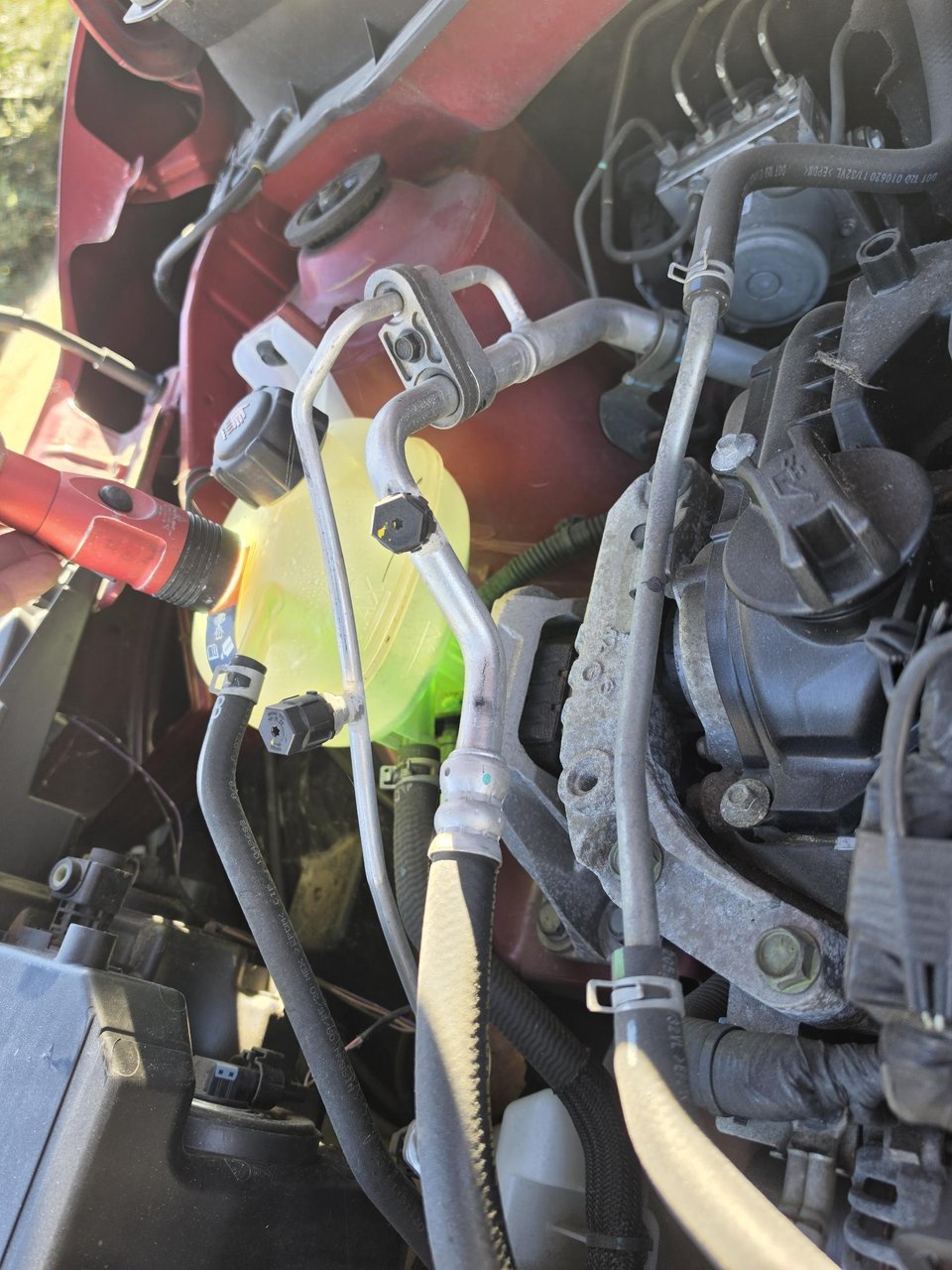
- The wrong fluid. Coolant types don't mix. Transmissions, brakes and power steering each need the exact fluid the owner's manual calls for.
- Overtightening or guessing. Stripped drain plugs, cracked plastic housings and broken wheel studs come from too much force. Wheels and many bolts have a torque spec.
- Skipping relearns and programming. Many newer cars need a scan tool after a battery, throttle body, steering angle sensor or brake job.
- Cheap parts on critical systems. Bargain axles, sensors and brake parts are a common cause of comebacks.
- Video for the wrong car. A video for a different year, engine or trim can skip a step or show the wrong part.
- Probing wiring with a test light. It can damage computers and airbag circuits. Use it on fuses only.
- Stop-leak and quick fixes. We're not a mechanic in a bottle or a can. They hide the problem and can clog things.
Tips that make DIY safer
- Never get under a car held up only by a jack. Use jack stands on solid, level ground, and chock the wheels.
- Let it cool. Coolant, exhaust parts and engine oil stay dangerously hot for a long time.
- Start with the owner's manual for fluids, capacities, fuse locations and warning lights.
- Check the simple things first: fluid levels, fuses, battery voltage and connections.
- Take photos before you take things apart, so they go back the same way.
- Save your receipts and part numbers for warranty claims.
Leave airbags, fuel lines and high-voltage hybrid and EV systems to a professional. They can injure you.
When to call for help
- A warning light comes back after you fixed what you thought it was.
- More than one system acts up at once, which usually points to a network or power problem.
- The job needs programming or a scan tool you don't have.
- Anything with brakes, steering or airbags you're not sure about.
- You're stuck partway through. We can pick up where you left off.
Installing parts can be hard. When you struggle, it's easy to make a mistake or take a shortcut. Experience tells you whether it's good enough. Don't learn the hard way.
Getting it fixed
- Find the cause first. The right part gets replaced, not a guess.
- Written estimate first. You see what's wrong before any work starts.
- Your choice of part. Options are ranked by quality and warranty term, from the best aftermarket and OEM parts.
- Where: where the car is parked, in Lake Norman, Mooresville, Denver, Lincolnton and Statesville. Like every repair we list, not every car can be done in a driveway. If we quoted your repair and can't reach the part when we arrive, you don't pay for the repair.
Get a quote for help with a repair
Updated November 28, 2026.