The short answer
Older cars needed regular tune-ups with points, timing and carburetor adjustments. Modern cars adjust themselves. Today a tune-up mostly means replacing spark plugs on the schedule in your owner's manual, checking or replacing ignition coils, and replacing the engine air filter. Many modern spark plugs last a long time, but they do wear out.
Signs you need one
- Rough idle or shaking, especially at a stop.
- Hesitation or stumbling when you accelerate.
- A check engine light, often a misfire code.
- A flashing check engine light. A bad misfire. Stop driving it.
- Hard starting or worse fuel mileage.
Why misfires matter
When a cylinder misfires, unburned fuel goes into the exhaust and overheats the catalytic converter. A misfire left alone can turn a coil or plug into a converter replacement.
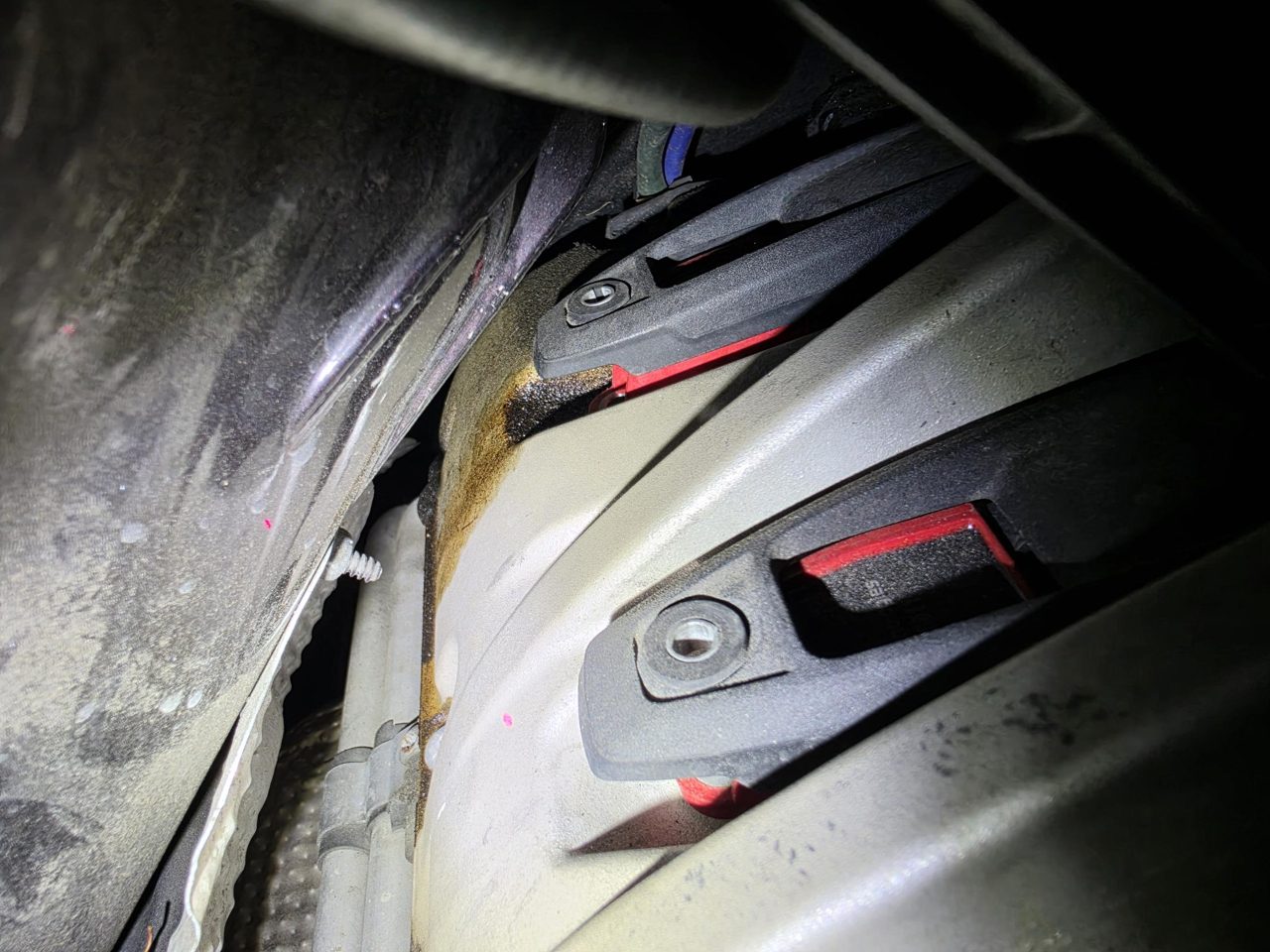
Oil leaks feed misfires too. A leaking valve cover lets oil reach the ignition coils. First comes the misfire, then the coil fails.
What a tune-up includes
- Scan for codes and misfire data to see which cylinders are struggling.
- Replace the spark plugs with the type and gap the engine calls for.
- Test or replace ignition coils, or plug wires on older engines.
- Inspect the air filter, intake and vacuum lines.
- Confirm it runs clean and the misfire counters stay at zero.
On some engines the plugs sit under the intake manifold, which makes them a bigger job. We'll tell you before we start.
Getting it fixed
- Find the cause first. The right part gets replaced, not a guess.
- Written estimate first. You see what's worn before any work starts.
- Your choice of part. Options are ranked by quality and warranty term, from the best aftermarket and OEM parts.
- Where: where the car is parked, in Lake Norman, Mooresville, Denver, Lincolnton and Statesville. Like every repair we list, not every car can be done in a driveway. If we quoted your repair and can't reach the part when we arrive, you don't pay for the repair.
Updated November 28, 2026.