What we do, and what we don't
We don't repair transmissions. We can confirm it's a lemon, at risk, or no faults. We diagnose it and get you to a reputable shop in our network.
If we're somewhere we haven't yet met the quality shop you deserve, we know how to call and ask the questions that pick the flower out of the weeds, and keep you away from problem shops that may do you a disservice.
The kinds of transmission
- Automatic
- How it works: Gear sets and clutch packs shift through fixed gears. A torque converter, a fluid coupling, lets the car sit still in gear.
- How it feels: Shifts you can feel, and a slight creep at a stop.
- CVT
- How it works: Two pulleys and a steel belt or chain. The ratio changes smoothly with no fixed gears.
- How it feels: No shift points. Engine speed holds steady while the car speeds up.
- Dual-clutch
- How it works: Built like a manual with two clutches, one for the odd gears and one for the even, shifted by a computer. No torque converter. The clutches are dry or run in fluid.
- How it feels: Quick, firm shifts. Dry-clutch designs can feel rough at low speed and in stop-and-go.
- Manual
- How it works: You work the clutch pedal and the shifter.
- How it feels: Every shift is yours.
- Hybrid e-CVT
- How it works: Not a belt. In Toyota-style hybrids, a planetary gear set and two motor-generators set the ratio.
- How it feels: Feels like a CVT.
Maintenance for each
- Automatic
- What keeps it healthy: Fluid, and the filter where it has one, on the schedule in your owner's manual. Use the severe-service schedule if you tow, carry heavy loads or sit in heat and traffic. The exact fluid matters, and many have no dipstick and need a temperature-based fill.
- CVT
- What keeps it healthy: Only the CVT fluid your maker names, changed on schedule. Heat is hard on a CVT, so towing and long climbs count.
- Dual-clutch
- What keeps it healthy: Fluid on schedule for designs whose clutches run in fluid. Dry clutches wear like a manual's, and creeping in traffic wears them fastest. Many need a relearn with a scan tool after work.
- Manual
- What keeps it healthy: Gear oil or fluid on schedule. The clutch is a wear part. Many clutch hydraulics share the brake fluid, which absorbs water over time.
- Hybrid e-CVT
- What keeps it healthy: Fluid on the schedule in your manual. There's no belt and no shifting clutch packs to wear.
Common failures and warning signs
- Automatic
- What we look and listen for: Slipping or flaring between gears, harsh or late shifts, a delay going into Drive or Reverse, a shudder at light throttle from the torque converter, dark or burnt fluid, stored codes.
- CVT
- What we look and listen for: A whine or drone, a judder from a stop, a lag or slip when you press the gas, a warning light with reduced power, trouble on long climbs.
- Dual-clutch
- What we look and listen for: A shudder or hesitation from a stop, rough low-speed shifts, a slipping clutch, a sudden loss of power.
- Manual
- What we look and listen for: The engine revs but the car doesn't pick up, a clutch that grabs at the top of the pedal, grinding into gear, popping out of gear, a bearing noise that changes when you press the pedal.
- Any kind
- What we look and listen for: Leaks at the pan, lines, cooler or axle seals. Fluid that looks pink and milky, which means coolant got in, often from a failed cooler inside the radiator.
Brand designs and what they mean
Some designs have a public record: warranty extensions, service bulletins, settlements. That record tells you what to look hard at on a used car. It doesn't mean every one fails, and a car that isn't listed here can still have problems.
- Nissan CVT
- What's on the record: Nissan extended CVT coverage from 5 years or 60,000 miles to 7 years or 84,000 miles on many models, including the 2014–2018 Rogue, 2015–2018 Pathfinder, 2017–2018 Altima and 2018–2019 Sentra and Versa sedan. Part of it came from a class action settlement.
- What it means for you: Many of these are now past the extended time or miles, so a failure is on the owner. Ask a Nissan dealer to check the VIN, and ask the seller for CVT service records.
- Ford PowerShift
- What's on the record: Automatic 2011–2016 Fiesta and 2012–2016 Focus models use a dry dual-clutch design. Ford extended clutch coverage to 7 years or 100,000 miles and the transmission computer to 10 years or 150,000 miles on many of them, and settled a class action.
- What it means for you: Most are past those terms now. A shudder from a stop and rough low-speed shifts are the signs we test for on the drive.
- GM 8-speed
- What's on the record: GM bulletins address a torque converter shudder on the 8L45 and 8L90 8-speeds in certain 2015–2019 trucks, SUVs and cars. The fix is a fluid exchange to a newer Mobil 1 fluid, and in some cases a new torque converter.
- What it means for you: A shudder at steady light throttle that feels like rough expansion joints in the road. Ask whether the bulletin fluid exchange was done.
- Honda HR-V CVT
- What's on the record: Honda extended CVT coverage on 2016–2020 HR-V models to 7 years or 150,000 miles, over possible early wear of the CVT drive belt. The coverage starts once a software update is done.
- What it means for you: Some are still inside 7 years. Ask a Honda dealer to check the VIN and whether the update was done.
- Subaru CVT
- What's on the record: Subaru extended CVT coverage to 10 years or 100,000 miles on many 2010–2020 models, and said the change was not a response to any specific condition.
- What it means for you: Some are still inside 10 years and 100,000 miles. Ask a Subaru dealer to check the VIN before you buy.
- Toyota and Lexus hybrids
- What's on the record: The e-CVT is not a belt CVT. A planetary gear set and two motor-generators do the job.
- What it means for you: Don't judge a hybrid by belt-CVT stories. Its own checks are the hybrid system and the battery.
Coverage terms above are the makers' published terms. Your own coverage depends on your car's in-service date and miles, so have a dealer check your VIN.
What we look for
- A full code scan, transmission included, with stored and history codes.
- The fluid, where it can be checked: level, color, smell, and anything in it.
- Leaks at the pan, lines, cooler and axle seals.
- A drive, cold and hot: going into Drive and Reverse, every shift, slip, flare, shudder and noise.
- A replaced transmission. We catch junkyard transmissions that are still leaking.
- The record: service history, and open recalls by VIN.
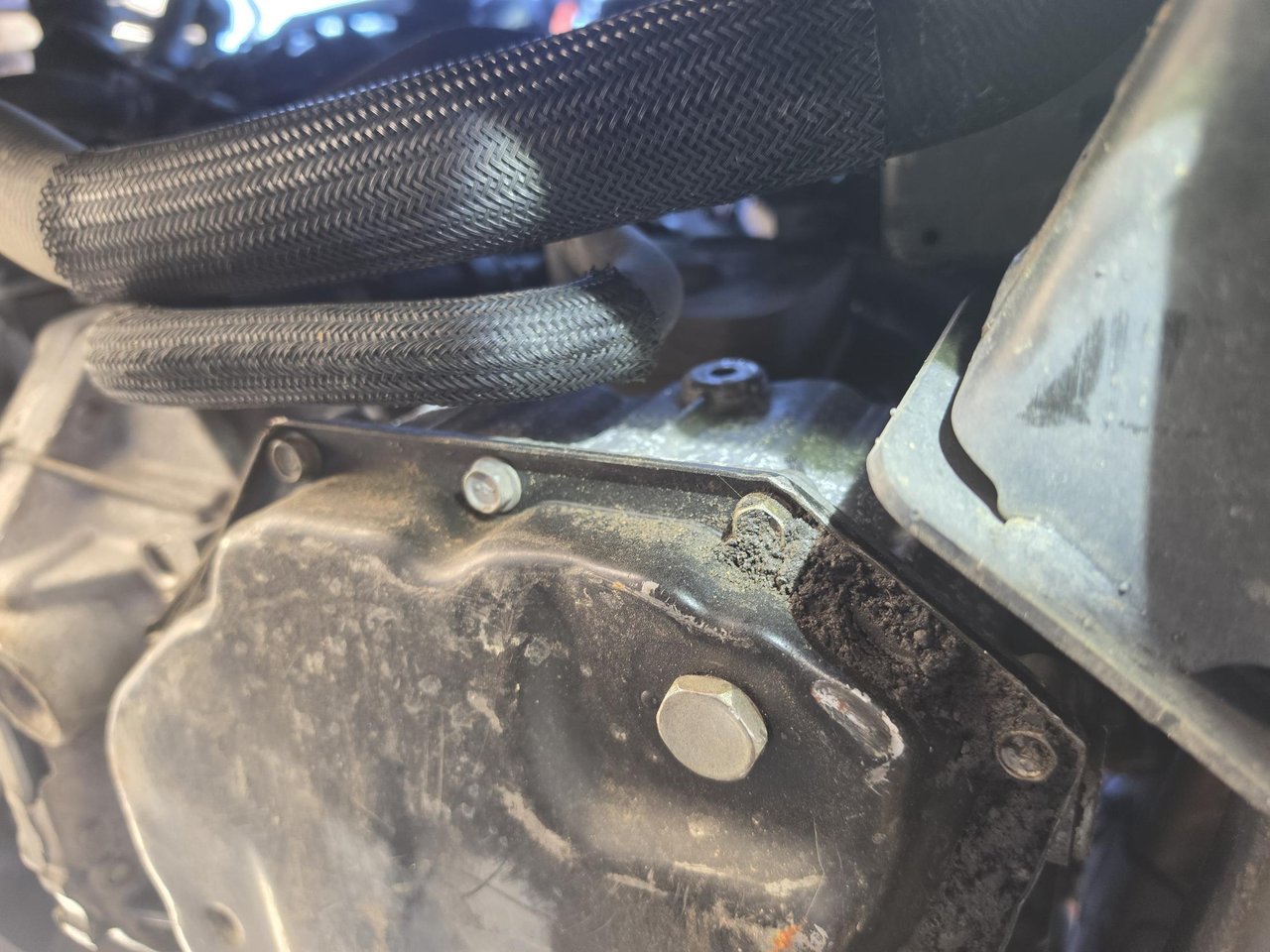
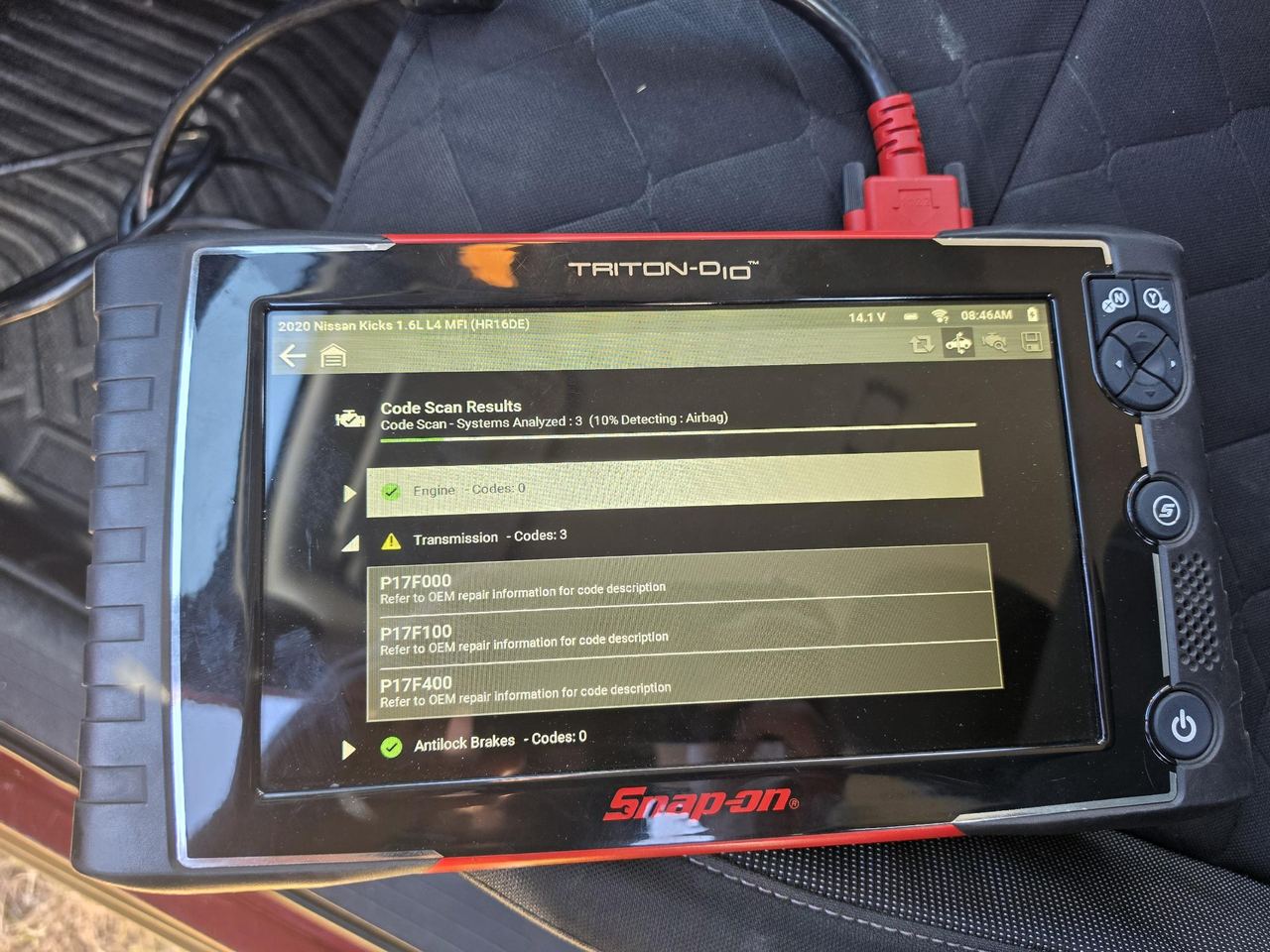
A dirt lot, no office
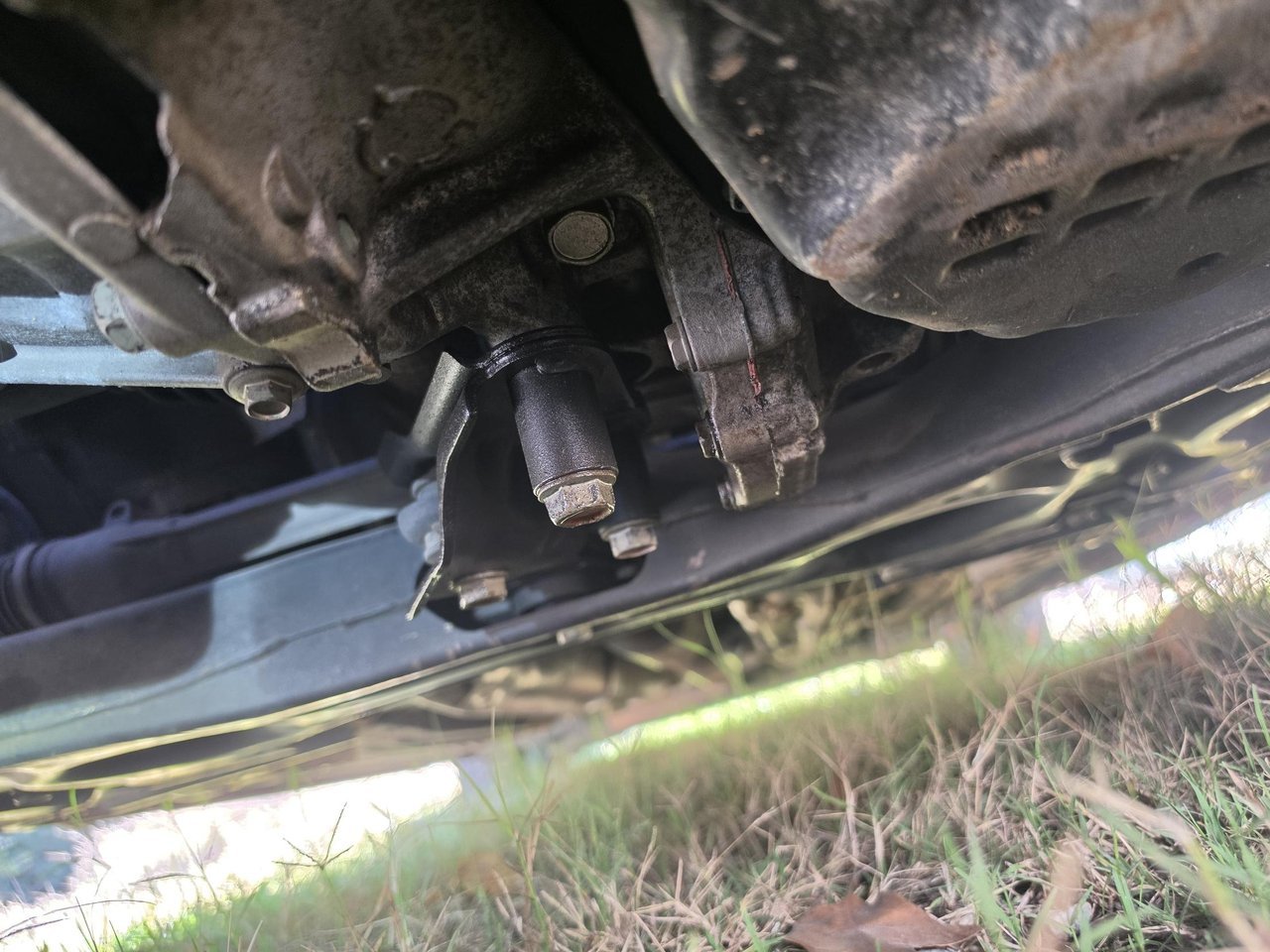
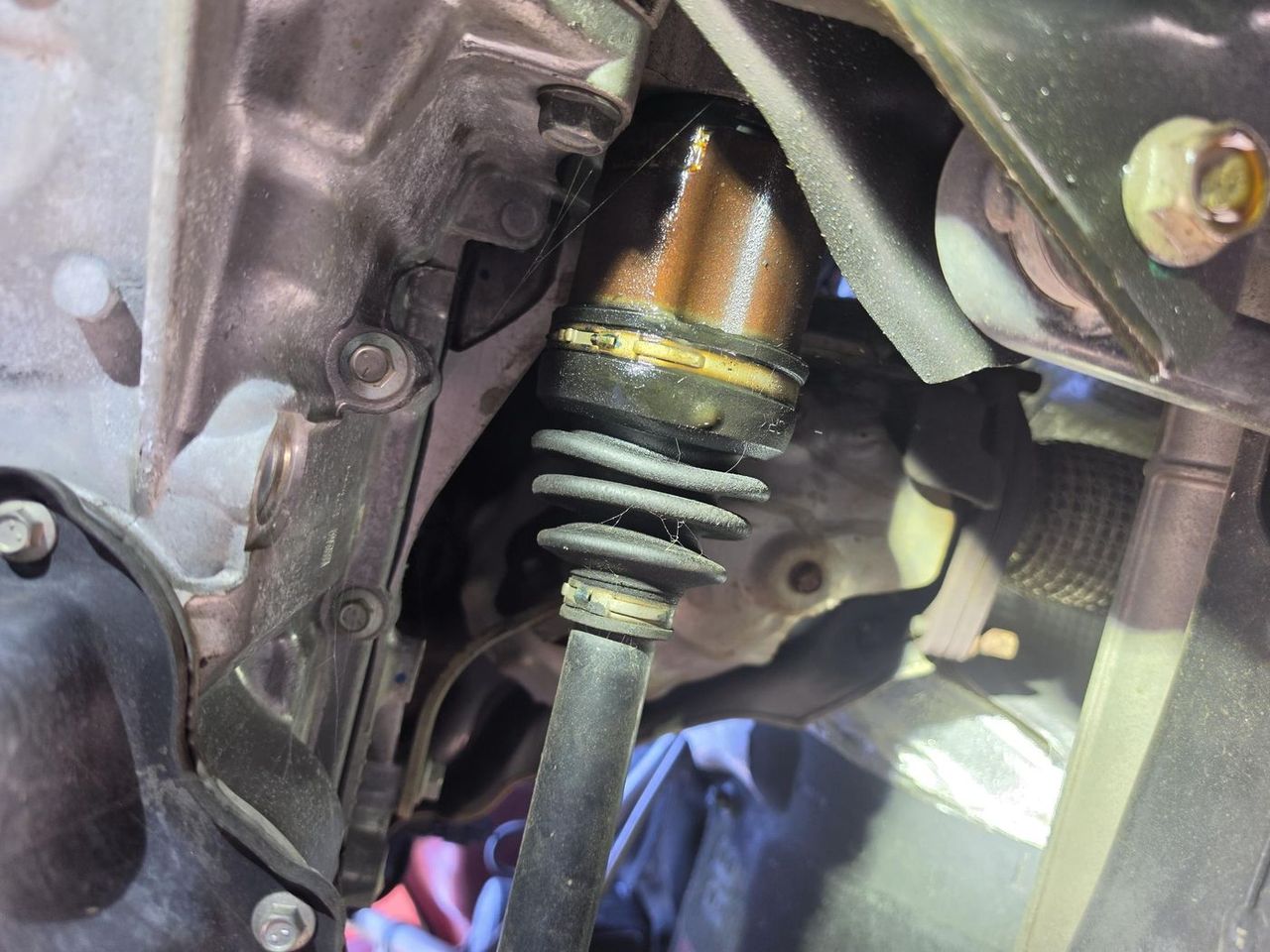
CVTs are a very common failure point, and a major thing you need to know about budget cars like Nissan, Honda and others that decide to use them. A leak in a manual is far less risky than a leak in a CVT, and the collateral damage it causes.
Lemon, at risk or no faults
- Lemon
- What it means: A confirmed fault: it slips, shudders, sets codes, leaks badly or is failing.
- At risk
- What it means: No failure today, but warning signs: early symptoms, a leak, old or wrong fluid, or a design with a public record.
- No faults
- What it means: Nothing found on the scan, the fluid, the leak check or the drive.
We report what we find on the day we see it. Nobody can see inside a transmission without taking it apart, and nobody can promise one won't fail.
Get a quote for a transmission diagnosis
Sources
- Nissan: Rogue and Pathfinder CVT warranty extension (NHTSA)
- Nissan: Altima, Sentra and Versa CVT warranty extension (NHTSA)
- Nissan: CVT class action settlement approval (NHTSA)
- Ford: Fiesta and Focus owners update
- Cars.com: Ford Focus, Fiesta transmission settlement
- GM: torque converter shudder service update (NHTSA)
- GM Authority: GM 8-speed bulletin 18-NA-355
- Subaru: CVT warranty extension, 2018 models (NHTSA)
- Subaru: CVT warranty extension, 2019–2020 models (NHTSA)
- ICCT: transmission technology brief
- Vehicle Service Pros: how an e-CVT differs from a CVT
- Honda: 2016–2020 HR-V CVT update and warranty extension (NHTSA)
- Honda: service bulletin 21-047, HR-V CVT belt (NHTSA)
Updated November 28, 2026.